
South Korea Records 15.59 Million Cryptocurrency Investors by Late 2024
South Korea's cryptocurrency investment involvement has surpassed 30% of its population, with 15.59 million investors recorded by late 2024. This increase signifies the growing importance of digital assets in the country’s financial sector.
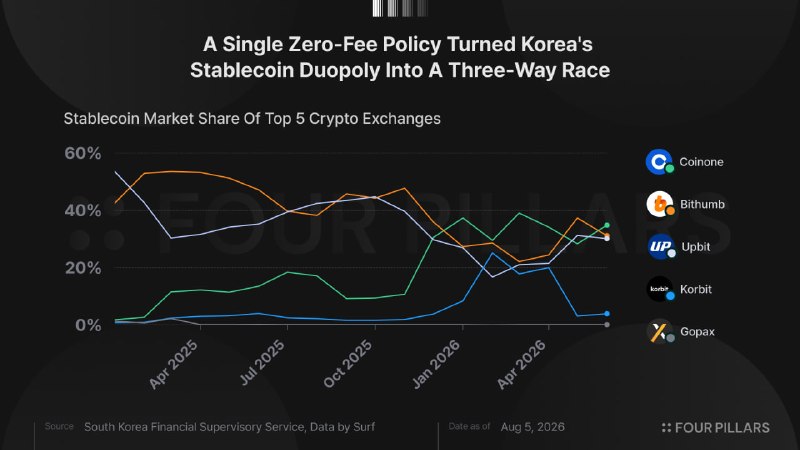
In November, daily cryptocurrency trading volume reached $10.5 billion, matching the combined activity of the KOSPI and KOSDAQ stock markets. Data from major exchanges—Upbit, Bithumb, Coinone, Korbit, and Gopax—illustrate this trend. The government may need to enhance the trading environment, protect investor rights, and stabilize the market.
Representative Lim Gwang-hyun from the Democratic Party disclosed that the Bank of Korea reported a significant rise in crypto investors, now totaling 15.59 million, which is approximately 30% of South Korea’s population of 51.23 million. Between October and November, the investor count increased by 610,000.
The total value of digital assets held by South Korean investors escalated to $70.3 billion (102.6 trillion KRW) by late November, up from $39.7 billion (58 trillion KRW) in October. Funds deposited on exchanges awaiting investment grew from $3.2 billion (4.7 trillion KRW) in October to $6.03 billion (8.8 trillion KRW) by November's end.
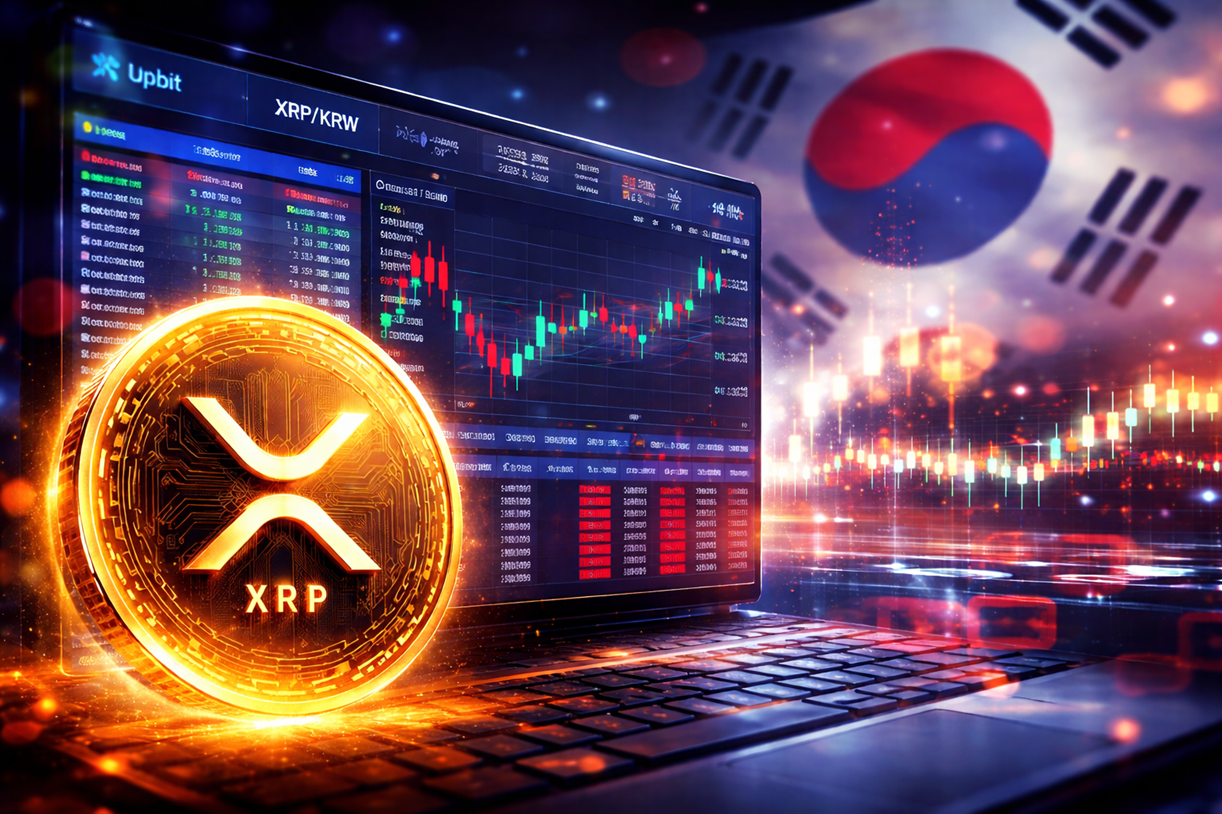
Altcoins now represent 88% of trading activity, with Upbit, South Korea's largest exchange, holding a dominant 90% market share. Upbit's market position strengthened significantly between 2020 and 2021 and continues to be robust.
Despite this growth, challenges persist in South Korea’s crypto market. The earlier announcement of martial law by President Yoon Suk Yeol caused disruptions, although it was later revoked. Regulatory uncertainty and market volatility remain ongoing concerns. Policymakers face increasing pressure to tackle these issues as cryptocurrency trading approaches traditional stock market levels.
The rapid expansion of digital assets in South Korea highlights their potential to reshape the financial landscape while emphasizing the critical need for effective regulation and investor protection measures.
Authors credited by the source: coinpaprika
Published by Holder based on an external source.