Tokenization Revolutionizes Access to Private Markets for Investors
Private markets have historically been exclusive, requiring significant capital investments and limiting access to a select few investors. Traditional private equity demands minimum investments ranging from $250,000 to $25 million, while venture capital often requires over $1 million, excluding most potential investors.
However, blockchain technology is transforming these private markets by:
- Enabling tokenization of real-world assets into digital tokens with embedded compliance.
- Providing fractional ownership opportunities for a wider range of investors.
- Facilitating secondary markets that allow dynamic trading and portfolio rebalancing.
- Embedding governance rights and performance-linked incentives in some tokenized vehicles.
- Opening access to pre-IPO companies, private credit, and venture capital funds.
This shift towards tokenization promotes equal access, allowing smaller and global investors to participate in previously gated markets. The infrastructure for compliant issuance and regulated secondary markets is advancing, making private market opportunities more accessible.
As of 2024, the total transaction volume in secondary markets reached over $150 billion, nearly tripling from seven years prior, yet still representing only about 1% of total private market value. The current value of tokenized real-world assets stands at approximately $14 billion, compared to a total addressable market of around $12 trillion, indicating substantial growth potential.
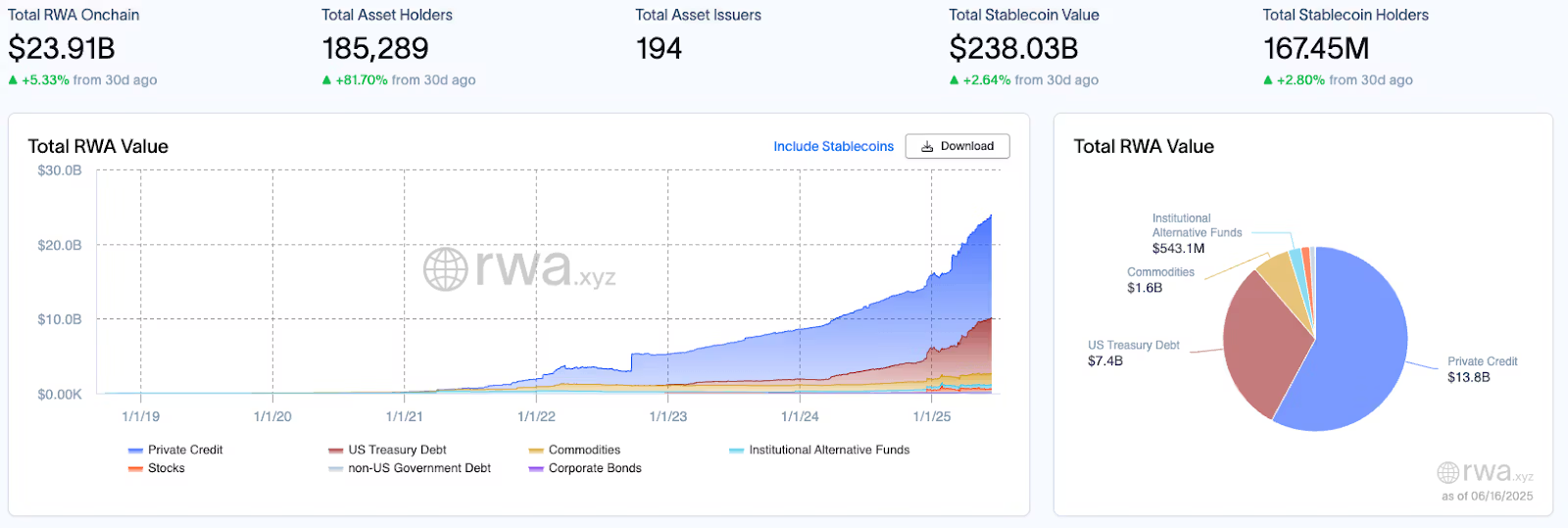
Source: RWA.xyz
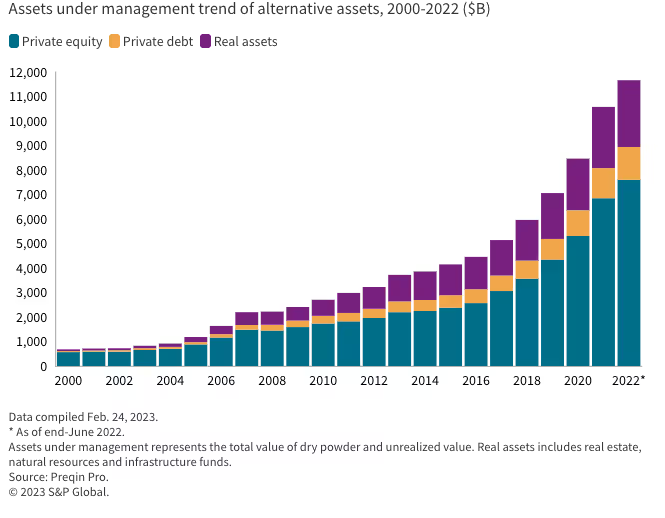
Source: S&P Global
While challenges such as regulatory clarity and investor protection remain, the momentum toward a more inclusive, transparent, and liquid financial system is clear. The future of private markets is shifting towards an on-chain model, integrating public and private finance.