
DeFi Adoption Likely to Rise Amid Ongoing Global Trade Wars
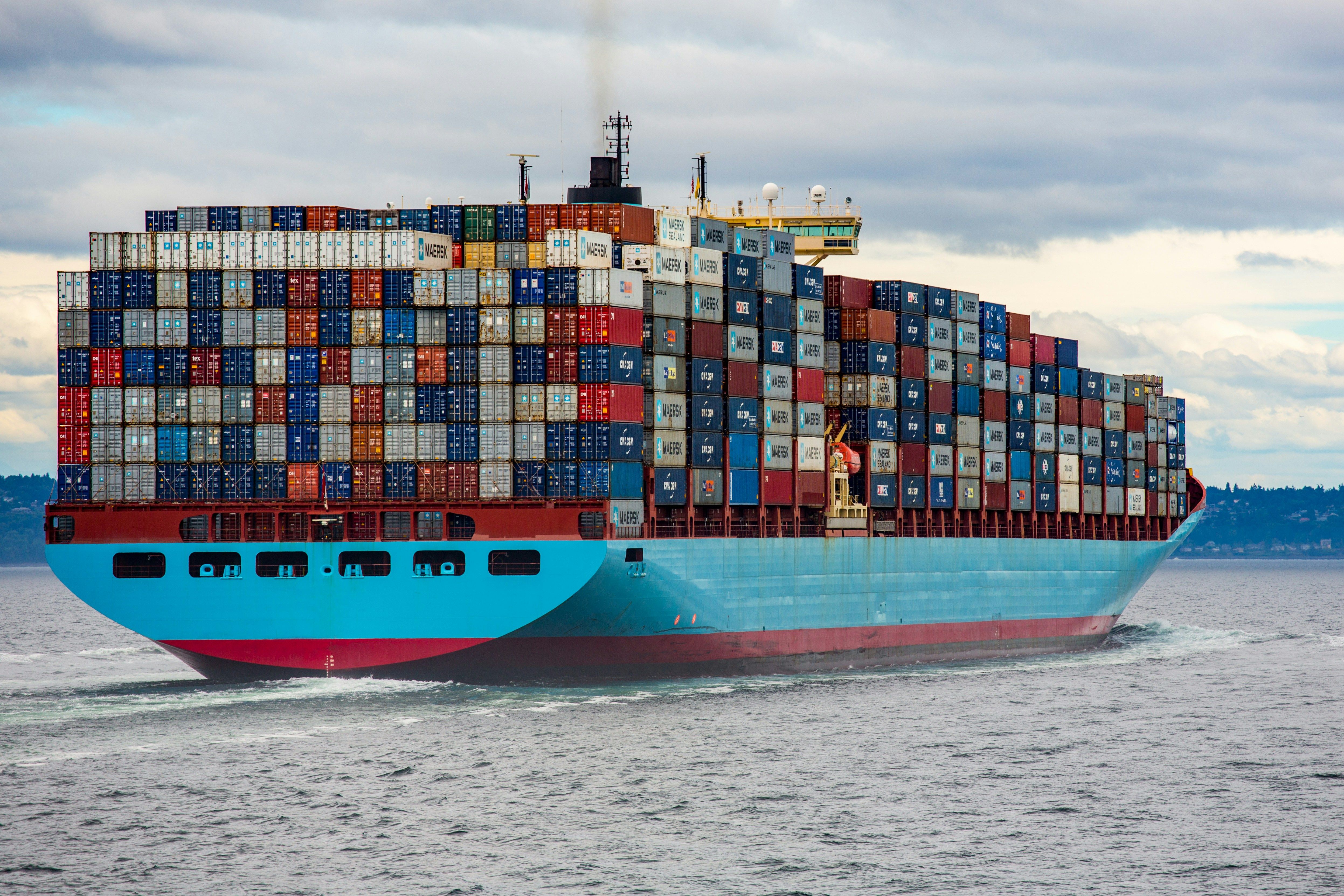
Bitcoin (BTC) dropped significantly over the weekend, falling below $100K as markets reacted to heightened U.S. trade tensions initiated by President Trump's new tariffs: 25% on imports from Canada and Mexico, and 10% on Chinese goods. This led to major sell-offs across the digital asset market, marking one of the largest downturns since the Covid outbreak and FTX collapse.
Key developments include:
- Canada and Mexico initially retaliated but have delayed U.S. tariff implementation.
- China has imposed its own tariffs on U.S. goods.
- The situation has increased global economic uncertainty, impacting risk assets.
Market volatility may drive investors towards cryptocurrencies viewed as “safe havens.” However, short-term impacts include:
- Increased price volatility affecting crypto investments.
- Disruptions in mining due to higher costs from tariffs on electronic components.
- Stricter regulations on international crypto transactions and exchanges.
Despite these challenges, decentralized finance (DeFi) could gain traction as users seek alternatives to traditional financial systems impacted by tariffs. DeFi platforms facilitate peer-to-peer transactions, potentially increasing adoption as trade conflicts continue.
In conclusion, while crypto faces immediate hurdles from ongoing trade disputes, it may strengthen over time, offering a viable alternative to traditional finance amid economic instability.