
Jan 16, 2026
2 0
Iranians Increase Bitcoin Use Amid Sanctions and Economic Turmoil
Amidst economic strain from sanctions, high inflation, and currency devaluation, many Iranians are turning to cryptocurrencies as a financial lifeline.
- Blockchain data reveals increased Bitcoin withdrawals and transfers to personal wallets during unrest and internet blackouts.
- The Iranian rial has depreciated by about 90% against the U.S. dollar since 2018, with inflation rates between 40%-50%.
- Crypto activity in Iran is estimated at $7.78 billion in 2025.
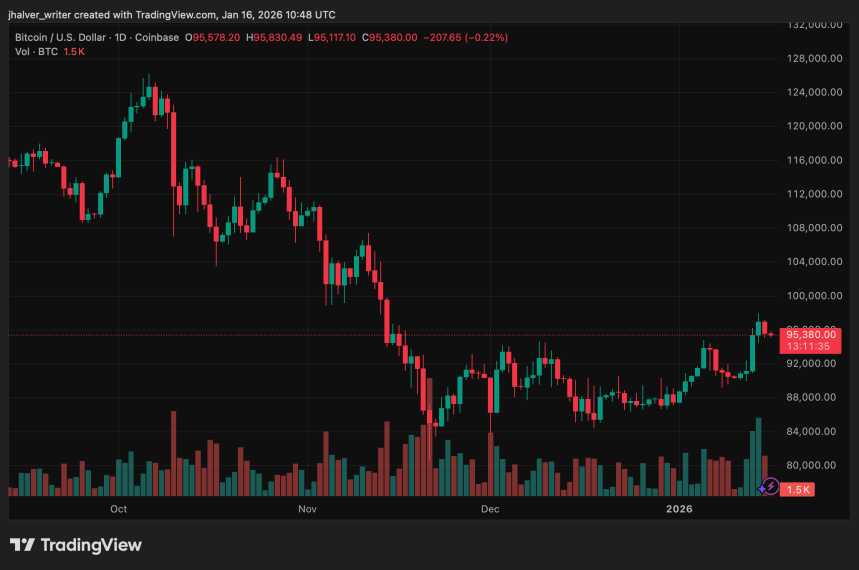
Bitcoin Use Rises During Protests and Internet Blackouts
- Surge in crypto activity occurred during protests due to living cost increases and currency devaluation.
- Authorities imposed internet shutdowns and tightened financial controls during the demonstrations.
- Higher daily transaction values and increased transfers from exchanges to Bitcoin wallets were observed.
- Smaller withdrawals saw significant growth, indicating household and business interest in moving funds abroad.
Crypto’s Dual Role: Citizens and State Actors
- State-linked actors, including the Islamic Revolutionary Guard Corps (IRGC), actively participate in crypto markets.
- IRGC-associated wallets accounted for more than half of Iran's crypto transaction value in late 2025, receiving over $3 billion.
- Western authorities suspect IRGC uses crypto to bypass sanctions and support regional operations.
- Spikes in Iranian crypto activity have followed major political and security events.
As economic pressures persist, cryptocurrencies serve as a tool for financial survival, offering a means to preserve wealth and navigate sanctions. Bitcoin's censorship resistance and portability make it particularly appealing during periods of unrest or capital controls.