
BEARISH 📉 : Russia restricts Telegram, emphasizing vulnerabilities of centralized platforms
- Russia's restrictions on Telegram highlight the vulnerabilities of centralized platforms, emphasizing the need for decentralized solutions.
- Bitcoin's limitations in speed and programmability create opportunities for Layer 2 solutions to enhance its utility.
- Bitcoin Hyper integrates the Solana Virtual Machine (SVM) to introduce high-speed smart contracts to Bitcoin.
- A successful presale and significant whale investments indicate strong market confidence in Bitcoin-based DeFi and dApps.
Russian authorities are tightening their control over Telegram, citing alleged legal breaches. This move reflects a global trend of governmental control over digital platforms, reinforcing the necessity for censorship-resistant alternatives. The crypto market aims to build a digital world free from such constraints, with Bitcoin as its foundation.
Bitcoin has faced challenges due to slow speeds and limited programmability, but new projects like Bitcoin Hyper aim to overcome these issues. By integrating SVM, Bitcoin Hyper seeks to deliver fast, scalable smart contracts while maintaining Bitcoin's security.
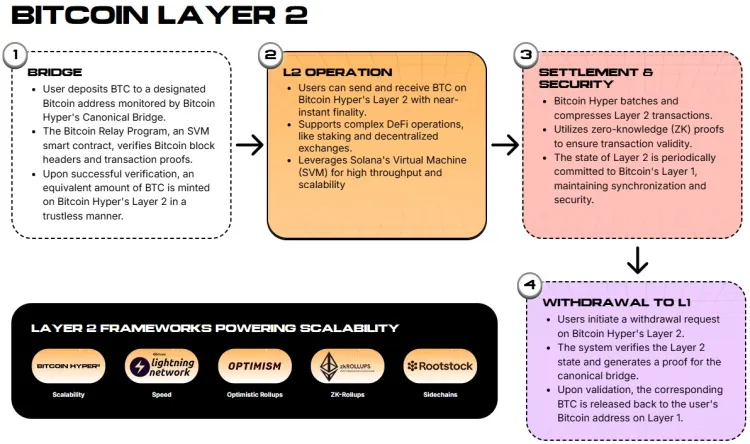
The project's approach allows developers to create high-speed DeFi, NFT platforms, and complex dApps using wrapped Bitcoin. Its Decentralized Canonical Bridge enables users to leverage $BTC for efficient payments and other applications.
The Bitcoin Hyper presale has raised $31.3M, demonstrating strong market interest. Notable whale purchases further suggest confidence in the project's potential. However, execution remains critical in the competitive Bitcoin L2 space.