
Coinbase holds 99% of customer assets in cold storage, outlines controls
TL;DR: Coinbase reports no impact from the reported Binance hot-wallet incident. It states that more than 99% of customer assets are in cold storage and describes controls that include distributed signing keys, withdrawal limits, anomaly detection, and emergency mechanisms that can halt transaction signing. The post explains specific security practices rather than relying on general claims.
A major incident at one exchange raises a common question for users of other platforms: where are assets held and what prevents unauthorised movement. Coinbase addressed these concerns in a November 4 explanation published amid the reported Binance incident.
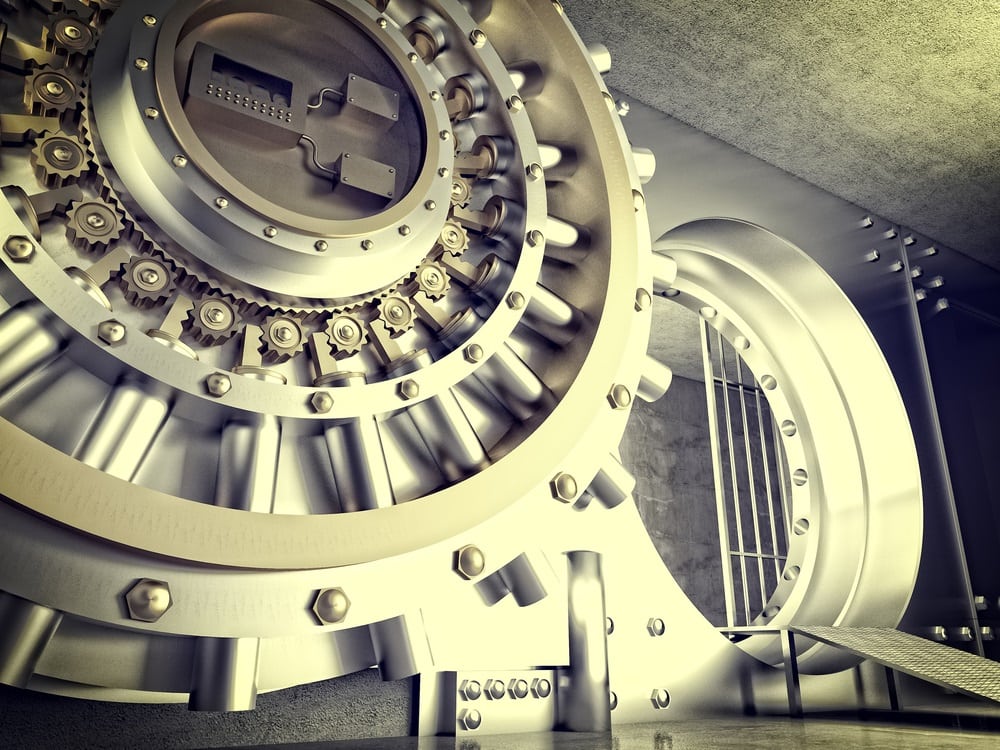
In its official post, Coinbase states it was not affected and that more than 99% of customer assets are held in cold storage. It outlines distributed key signing, withdrawal limits, anomaly detection, and emergency controls that can stop signing.
What cold storage protects, and what it does not
Cold storage keeps signing authority away from routine internet-connected systems. This reduces exposure of a custodian’s largest reserves if a hot wallet or application layer is compromised. Hot wallets remain necessary for normal withdrawals, so the balance between operational liquidity and offline custody is critical.
The reported percentage reflects current Coinbase practice. It does not guarantee that every balance is insulated from every risk category. Account takeover, internal control failures, fraud, software defects, and legal restrictions require separate controls. Security is strongest when the full access chain is explained end to end rather than relying on a single metric.
Distributed keys reduce the chance that one compromised system can move funds. This protection depends on well-implemented policy. Limits and anomaly detection add layers that can delay or block abnormal transactions and buy time for response.
Why the industry is revisiting wallet architecture
Custodians face a trade-off: users expect continuous transfers, yet automated movement from internet-connected systems increases the impact of compromise. A resilient model combines preventative controls with monitoring and rehearsed incident procedures.
The disclosure follows investigation of the reported multi-billion-dollar Binance exploit and statements from stablecoin issuers about actions once assets leave a platform. These defences are distinct. Custody aims to prevent unauthorised signing. Downstream tracing and freezes aim to limit damage after movement.
Resilience requirements also appear in decentralised finance. As reported when Aave restricted new tBTC supply and borrowing, operational controls can limit further exposure during an incident. These controls are most effective when scope is explicit and outcomes are independently verified.
What exchange users should ask
Key questions include whether balances are fully backed, what proportion is held in internet-connected wallets, how withdrawals are approved, whether controls undergo independent assessment, and how the company communicates during access interruptions. Users should understand the difference between platform-held assets and tokens in a wallet controlled with their own private keys.
Coinbase provides concrete details about its controls. These claims require evaluation over time against audits, incident disclosures, and operational performance. Custody design belongs at the centre of an exchange’s risk profile, not embedded in small print.
Authors credited by the source: NewsBTC Editorial Team
Published by Holder based on an external source.