Coinbase orders EEA users to withdraw non‑MiCA stablecoins by Oct 30
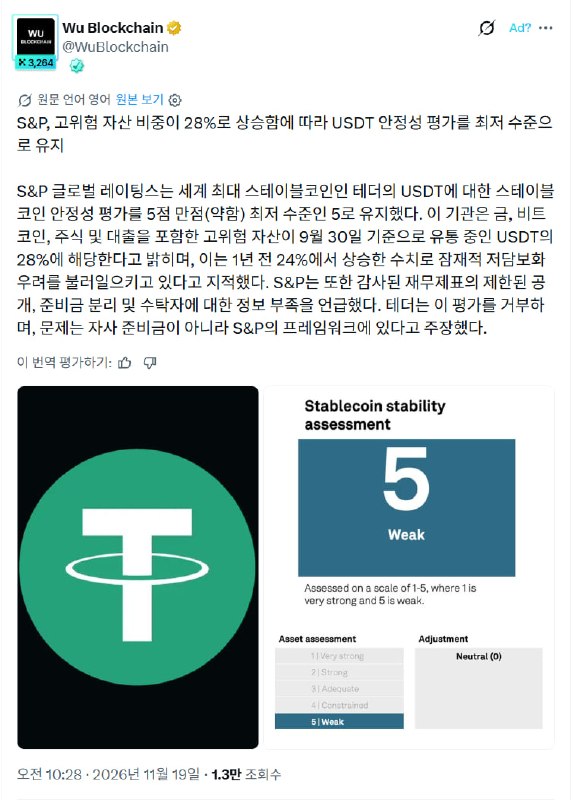
Coinbase notified European Economic Area retail customers that non‑MiCA‑compliant stablecoins will face restricted buy, sell and conversion on Coinbase, with withdrawals remaining supported. The company lists USDT, DAI, PYUSD, PAX, GUSD, USDS, USD1 and other affected assets in its EEA support notice. On October 30, 2026, remaining affected balances will be converted to USDC where suitable or to another supported asset or currency where not. Unsupported deposits after the deadline will not be credited, and recovery, where technically possible, is not guaranteed. The announcement’s market impact depends on formal implementation and issuer or platform disclosures, not on assumptions.
What the notice establishes
Coinbase identifies affected assets and restricts buying, selling and conversions for EEA retail users. Supported withdrawals remain available for customers who want to retain these assets elsewhere. After the deadline, Coinbase will convert remaining balances at the prevailing market rate to USDC when possible or to another supported asset or currency if USDC conversion is unsuitable.
Why this matters for crypto markets
Regulatory requirements can change exchange-level access without altering token smart contracts. Access depends on issuer authorisation, reserve custody, supervisory reporting and customer eligibility. Forced or automatic conversion can change currency exposure, incur fees and create tax events depending on jurisdiction. Investors need to separate structural regulatory changes from headlines that may not immediately affect price or onchain activity.
Scope and constraints
The policy applies to Coinbase EEA retail customers, not all users worldwide. Conversion at the market rate may not equal a stablecoin’s face value. Regulated access does not imply an investment recommendation. Market risk, operational incidents, price fluctuations and limits on protections remain possible.
Context
The move sits within MiCA’s rollout. Stakeholders have different objectives: users seek predictable access, operators seek reliable controls and manageable costs, and institutions seek accountability. Future updates should distinguish released features, planned features and measured adoption and performance.
What to monitor
- Official lists of MiCA‑compliant and restricted stablecoins and any updates to Coinbase implementation details.
- Exchange policy convergence or divergence across the EEA and responses from stablecoin issuers.
- Onchain flows: EEA‑linked outflows from affected stablecoins, shifts into USDC and liquidity or spread changes near the deadline.
- Operational procedures: customer disclosures, testing and reporting, and any incidents or remediation reports.
- Tax and accounting guidance on mandatory conversions and potential gains or losses.
Primary source: Coinbase EEA MiCA stablecoin deadline, published 2026-10-28.
Edited by Samuel Rae.
Authors credited by the source: NewsBTC Editorial Team
Published by Holder based on an external source.