VanEck withdraws unlaunched Lido stETH ETF application from the US SEC
VanEck Digital Assets asked the US SEC on October 14, 2026, to withdraw the registration for its proposed Lido Staked Ethereum ETF, originally filed on October 16, 2025. The registration never became effective: VanEck stated it issued or sold no shares, distributed no preliminary prospectus, and no shareholders require redemptions. The filing provided no reason for withdrawal, leaving uncertain whether institutional demand concerns, regulatory issues, or operational constraints drove the decision. This was a sponsor-initiated withdrawal, not an SEC rejection or a prohibition on staking-based funds.
Oct 16, 2025: VanEck files for a Lido staked ETH ETF.
Oct 14, 2026: VanEck asks the SEC to withdraw it.The fund would have held stETH directly, putting Lido's liquid-staking token inside a normal brokerage account. Its registration never became effective. VanEck's stated…
— Sun WU Kong (@wysndbb) October 15, 2026
Custody, valuation, liquidity, reward accounting, smart contracts, and regulation remain core challenges for ETF products built around liquid staking. The withdrawal does not determine whether these obstacles were decisive in this case.

Key details of the withdrawal
VanEck requested withdrawal of the registration statement, amendments, and exhibits under Rule 477 of the Securities Act of 1933 and asked for effectiveness on October 14, 2026, or as soon as practicable afterward. The company no longer intends to offer shares in the proposed fund. The ETF would have held Lido’s stETH and tracked its price after expenses using a MarketVector benchmark. Operational details such as exchange ticker and custodians were not finalized.
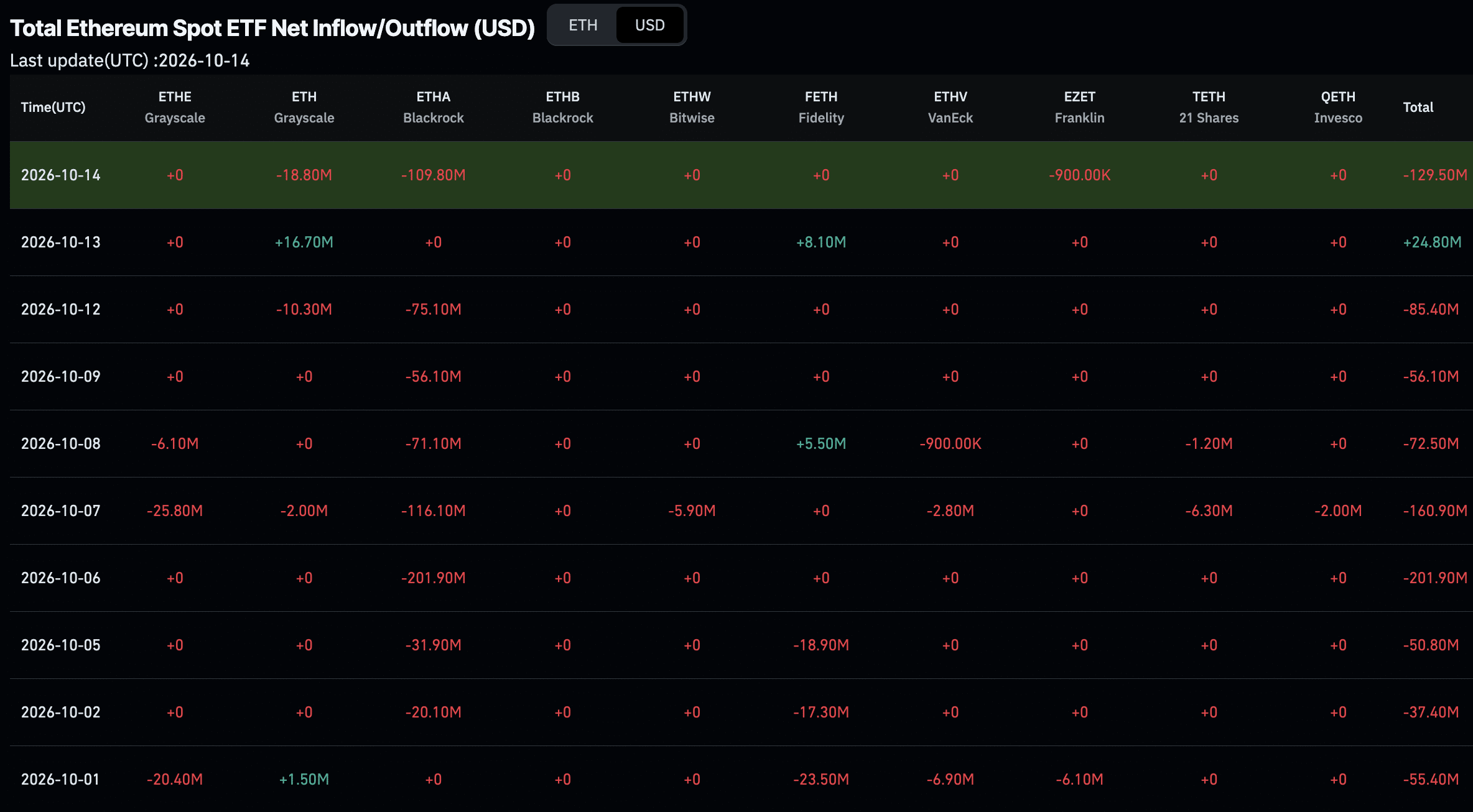
On market context: spot Ethereum ETFs recorded $129.5 million in net outflows the prior day. VanEck did not link its withdrawal to these flows.
stETH mechanics and regulatory context
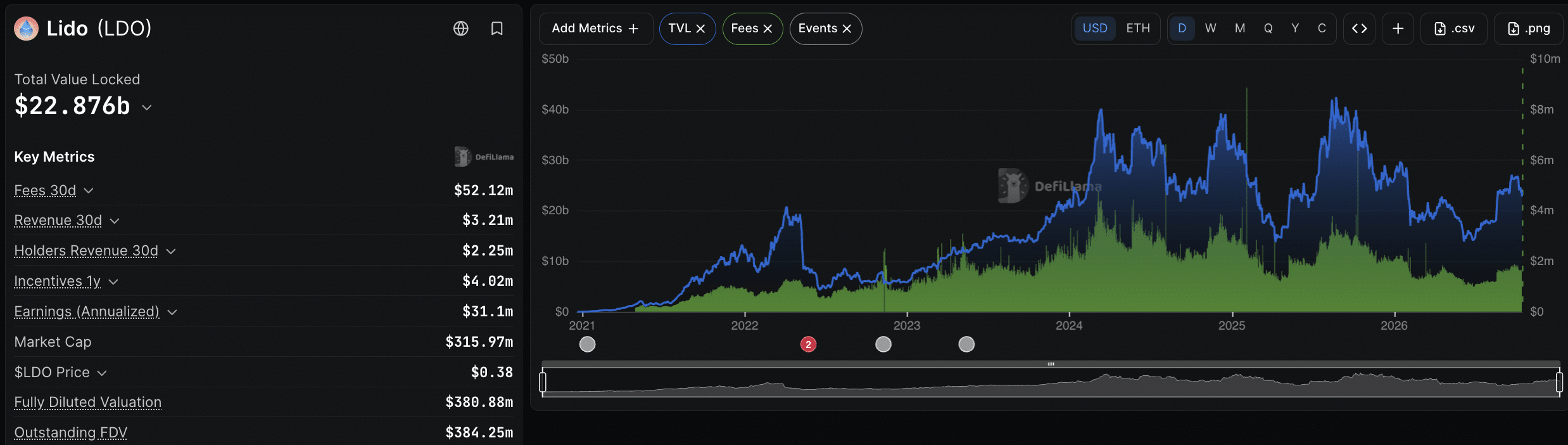
stETH represents staked ETH and rewards via a rebasing mechanism that increases balances as rewards accrue. This ties reward recognition to fund accounting, custody, and valuation. VanEck’s prospectus cited risks: validator penalties, smart-contract vulnerabilities, liquidity constraints, and ETH price volatility. Rewards are not guaranteed.
SEC commentary in August 2025 indicated some liquid-staking arrangements might not require securities registration depending on structure. This did not authorize ETFs holding staking tokens. VanEck asserted alignment with SEC interpretations while acknowledging legal risks.
VanEck also filed in August 2025 for an ETF linked to JitoSOL, Solana’s liquid-staking token. The October 14 request applies to the Lido fund, registration number 333-290918.
Implications for liquid-staking ETFs
The SEC did not reject the proposal. The central issue for sponsors: translating token-level mechanics into workable ETF arrangements for custody, valuation, reward accrual, and liquidity. stETH exposure introduces components not present in spot ETH ETFs, including rebasing and staking-specific risks.
The timing and feasibility of future US ETFs holding liquid-staking tokens remain uncertain. The filing does not indicate if or when VanEck will pursue another Lido-linked product.
Authors credited by the source: Daniel Francis
Published by Holder based on an external source.