
XRP must rise to absorb $100M transfers, Jake Claver says
Claver says price, not market cap, decides if the network can carry bank-size flows. He argues the network needs far deeper liquidity to cut slippage on large transfers.
Digital Ascension Group CEO Jake Claver calls market cap a weak metric for utility. He outlines a “liquidity index” in a March 26 video here.
- Market depth
- Liquidity continuity
- Slippage
- Available supply
- Settlement speed
- Access
“The assets that will power the next financial system can’t just be volatile speculation,” he says. “They require a high stable price.” Video.
He links the case to float. Fixed supply plus rising demand pushes the tradable float to do more work. That supports a higher price for XRP as payments volume grows. Video.
Market depth is the binding constraint for institutions, he says. Shallow books displace price on large flows. News.
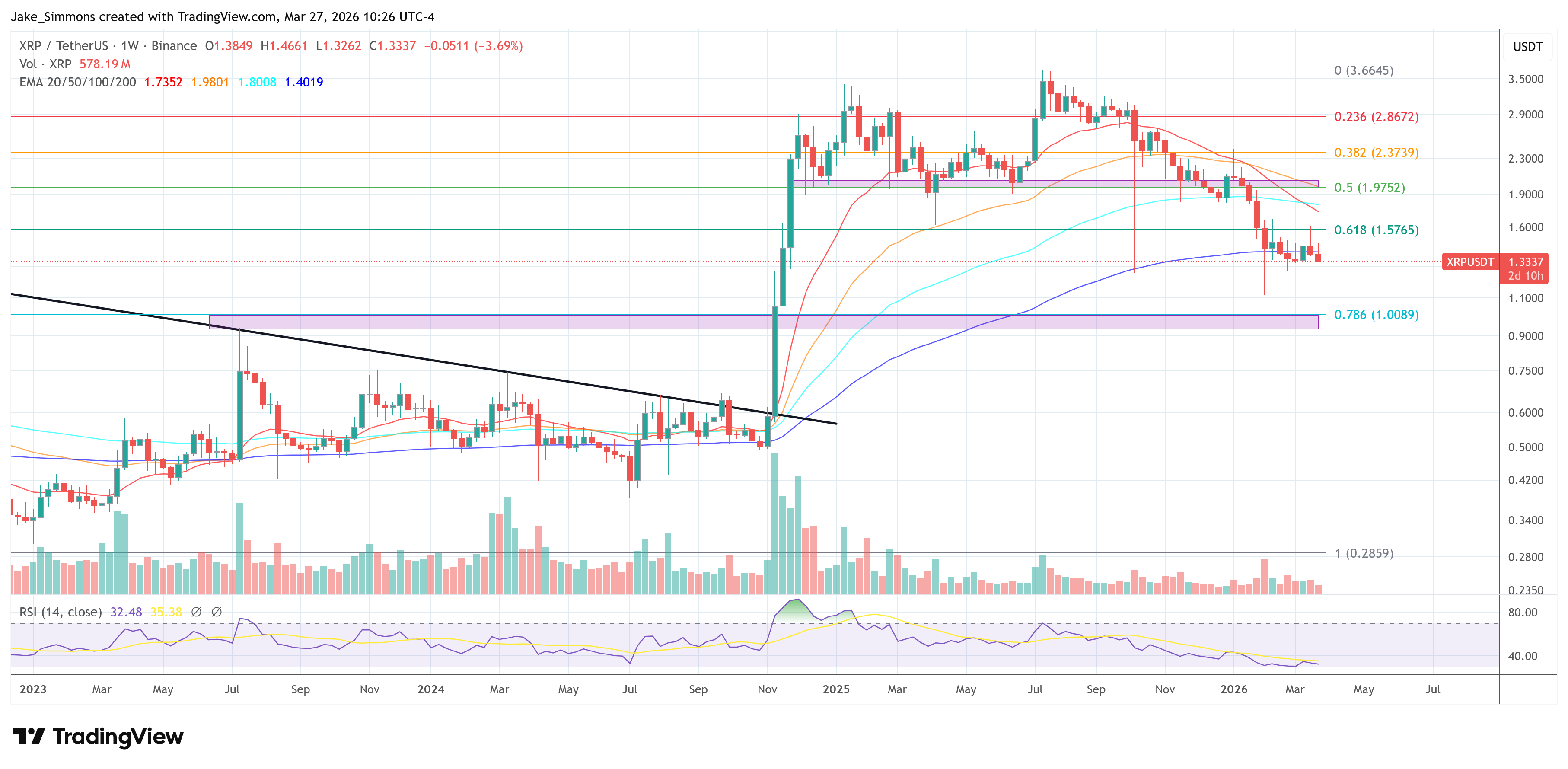
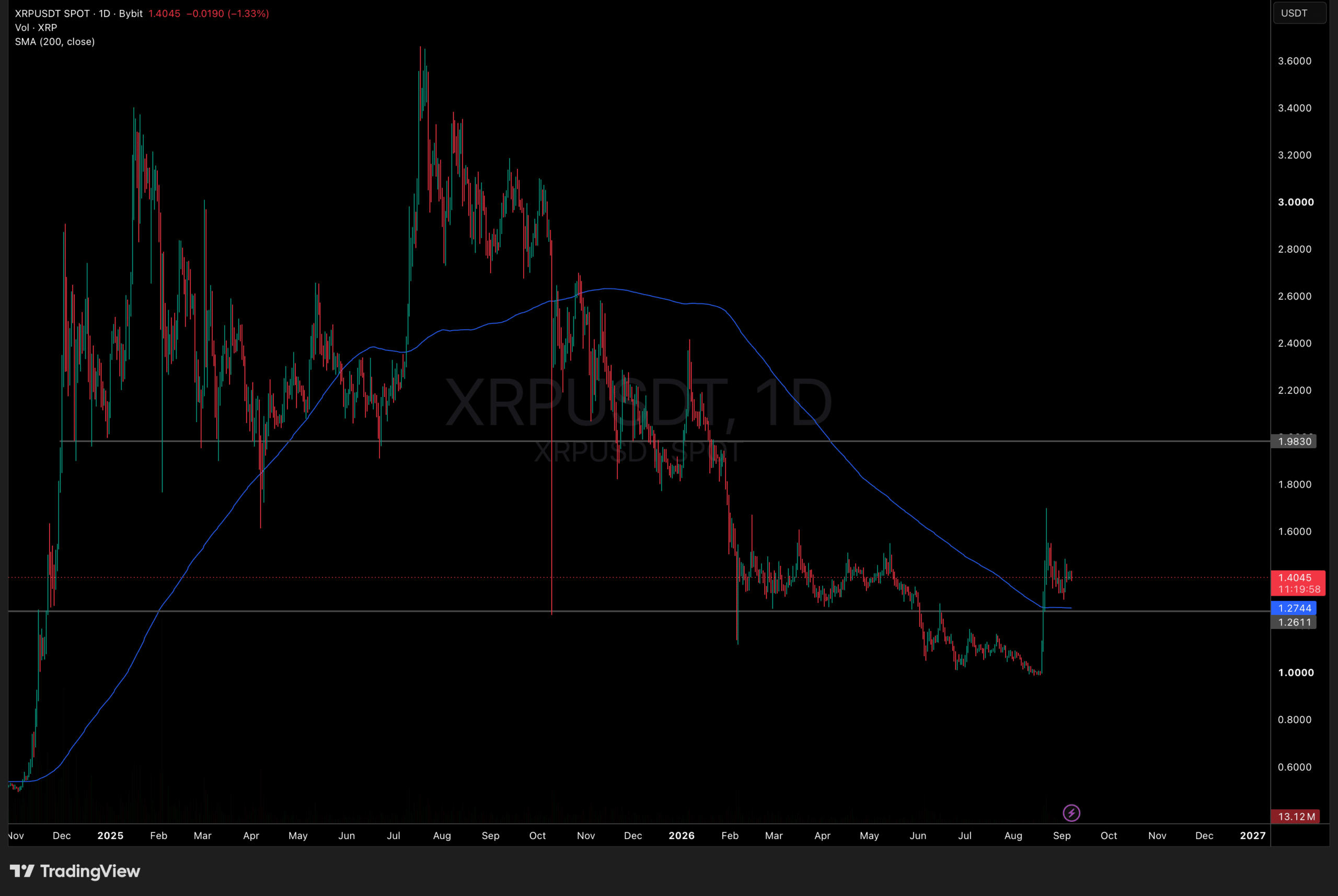
His example: move $100 million. At $1 per XRP, you need 100 million tokens in the pool. At $100 per token, you need 1 million. Video.
Slippage is the cost killer today. He estimates a $100 million transfer could lose ~10% to slippage, versus sub‑0.5% in equities. Cutting that gap needs 20–100x more value on order books. With fixed supply, price must carry the load. Video.
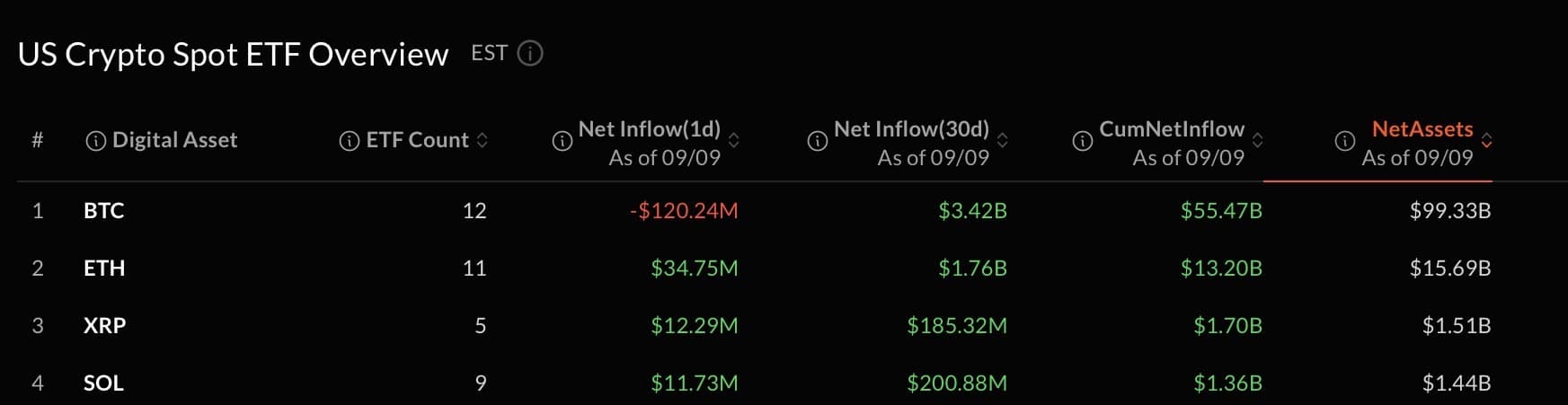
Float could tighten further. ETFs, corporate treasuries, banks, and DeFi pools lock tokens away from exchanges, reducing available liquidity. News.
Speed helps but doesn’t solve it. 3–5 second settlement improves turnover, but high slippage erases the advantage. Video.
He concludes that market cap is superficial for payments networks. The test is whether order books can absorb institutional volume without destroying capital. Video.