
Senate CLARITY Act draft restricts DeFi yield, pressures token revenues
Senate’s CLARITY draft adds DeFi yield ring‑fencing. Analysts warn token cash‑flows are in the crosshairs.
An industry note shared via BSCN says yield‑tied token models face pressure under the Senate Banking draft. The warning flags governance tokens, liquid staking tokens, and yield aggregators as most exposed. Source.
The House cleared its version on July 17, 2025, 294–134. It omitted DeFi yield limits. The Senate Banking Committee’s 278‑page draft arrived January 12, 2026 and added yield restrictions alongside broader BSA/AML rules for DeFi. Details.
Here’s the mechanism. The draft treats on‑chain yield distributions like supervised interest products. It ring‑fences fee or reward payouts from the wider token economy. That breaks the link between protocol usage and token value accrual, if distributions must be registered or shut off. Bill overview.
Analysts highlight three token buckets at risk:
- Governance tokens with fee sharing to holders Analyst note
- Liquid staking tokens where staking rewards are the yield Analyst note
- Yield aggregator tokens that optimize on‑chain returns Analyst note
Coinbase’s CEO opposed the draft’s DeFi surveillance and stablecoin‑yield terms. Coinbase later rejected a Senate stablecoin‑yield compromise, warning it would limit how yields are structured. Armstrong’s critique Rejection update.
For centralized programs, such as USDC rewards at Coinbase, registration or disclosures may adapt the product. For permissionless DeFi, disabling on‑chain fee distribution may be the only clear path to comply. Context.
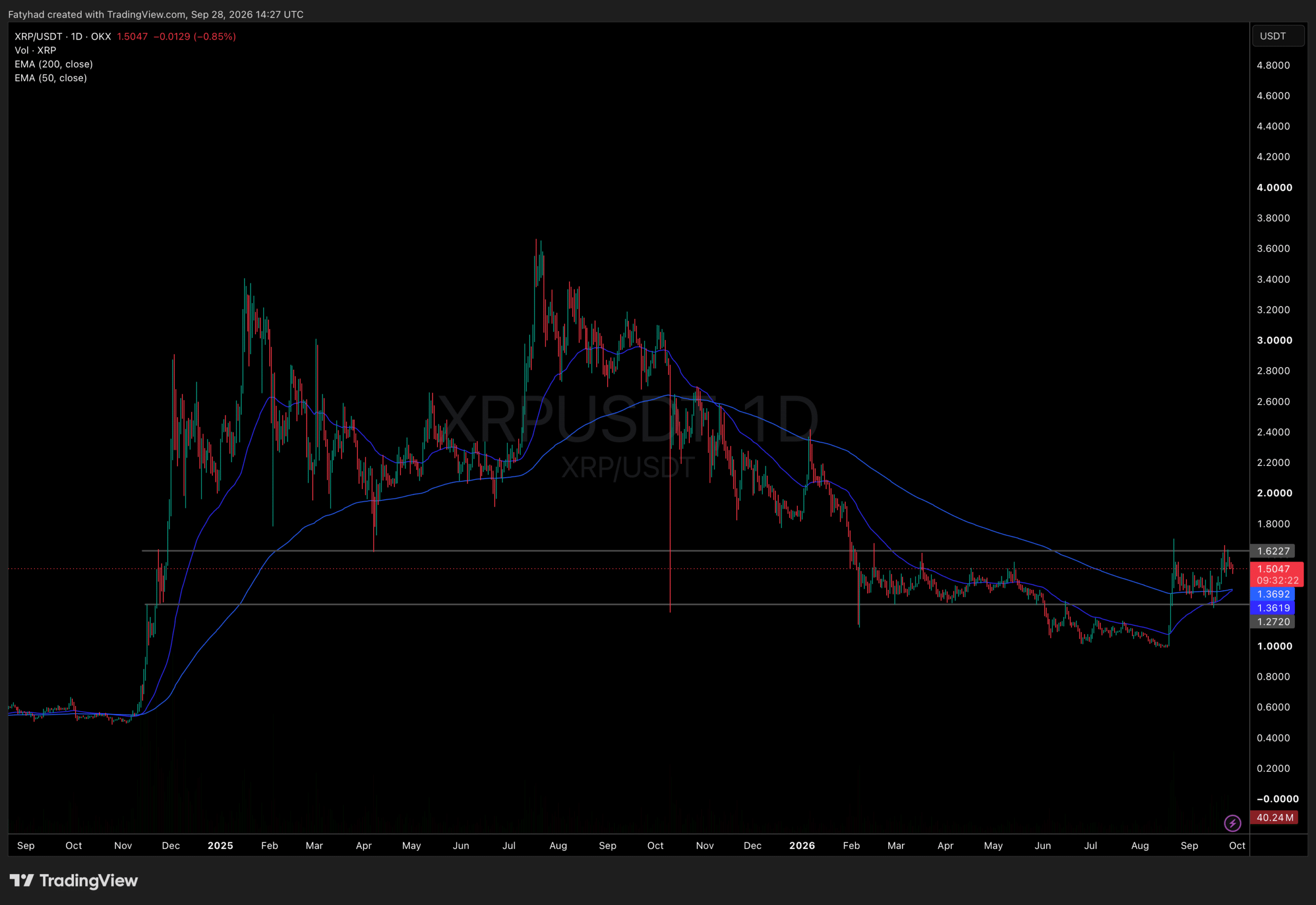
Ripple’s chief said the firm has no “big dog in this fight,” noting the status of XRP in prior proceedings. Remarks.
Bottom line for DeFi investors. The Senate draft targets the core cash‑flow link in DeFi token models, not a peripheral perk. Passage with ring‑fencing intact would directly affect tokens that rely on on‑chain fee and reward distributions. Bill status Analyst risk.