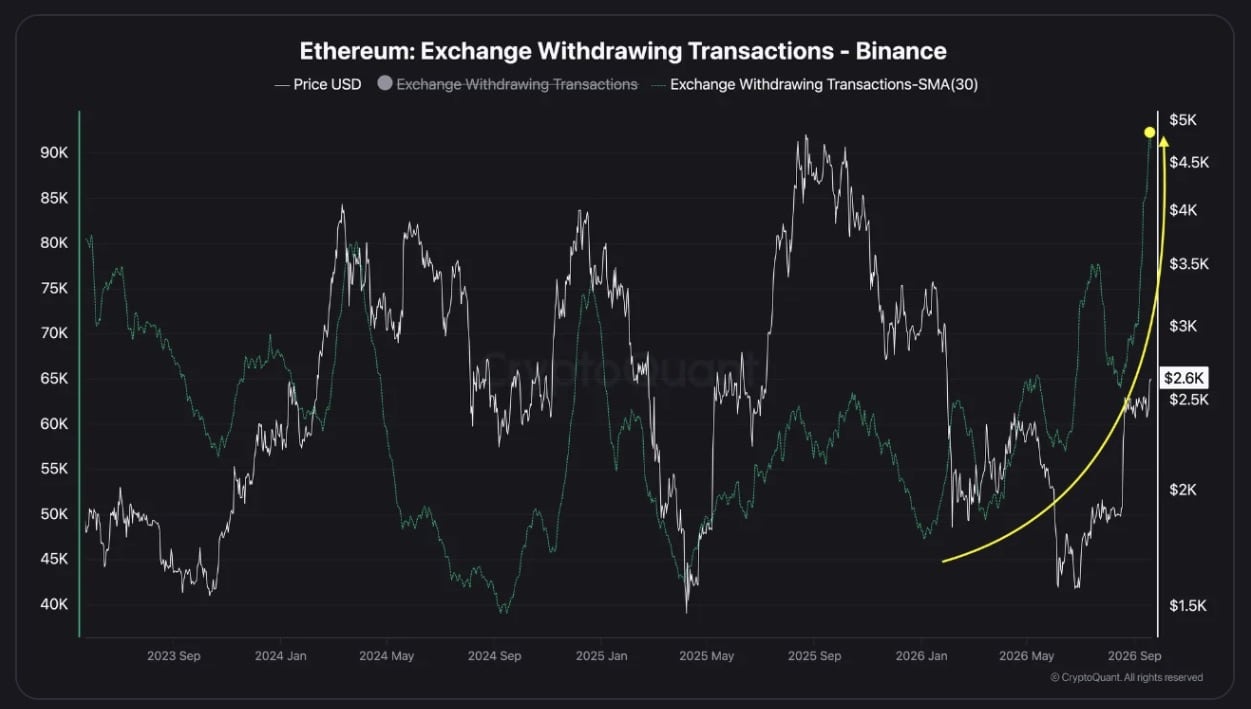

Bitcoin breaks correlation with gold and stocks, hits $87,000 high
Bitcoin has decoupled from traditional macro proxies. Since mid-August, BTC’s market cap rose 36% while gold fell 1.5% and the S&P 500 gained 0.8%. Price rebounded from $75,000 to above $87,000. The Bitcoin-to-gold ratio rebounded sharply in 2026 and is approaching early-2025 highs.
What Changed: Correlations Broke Down

Bitcoin Market Divergence Santiment Intelligence
Santiment reports three correlations weakening simultaneously:
- Gold: Bitcoin’s 90-day correlation with gold rose above 0.50 in early September for the first time in about six years, then faded within three weeks.
- Equities: Correlation with the Nasdaq 100 fell to approximately 0.30 to 0.33, limiting equity influence on BTC’s daily moves.
- Dollar: The inverse relationship loosened.
Conclusion: Bitcoin is no longer trading as a proxy for gold, tech equities, or the dollar.
Why Independence Matters
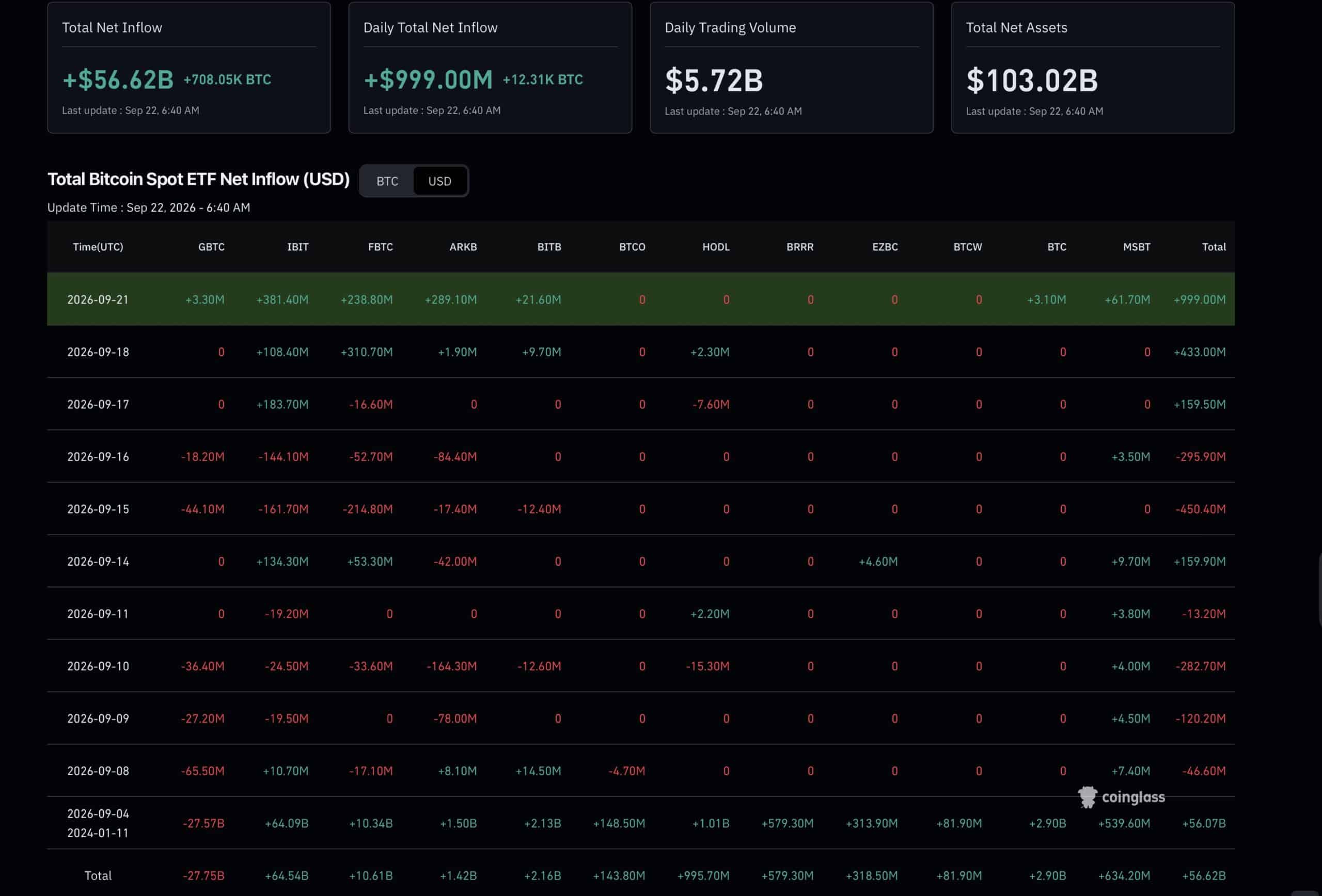
Buyer motives shifted from macro narratives to crypto-native flows: spot ETF demand, corporate treasury allocations, and long-term custody. This creates a price structure driven by Bitcoin-specific supply and demand rather than external asset performance. The risk: without macro tailwinds, price depends on sustained crypto-native inflows, which can reverse quickly.
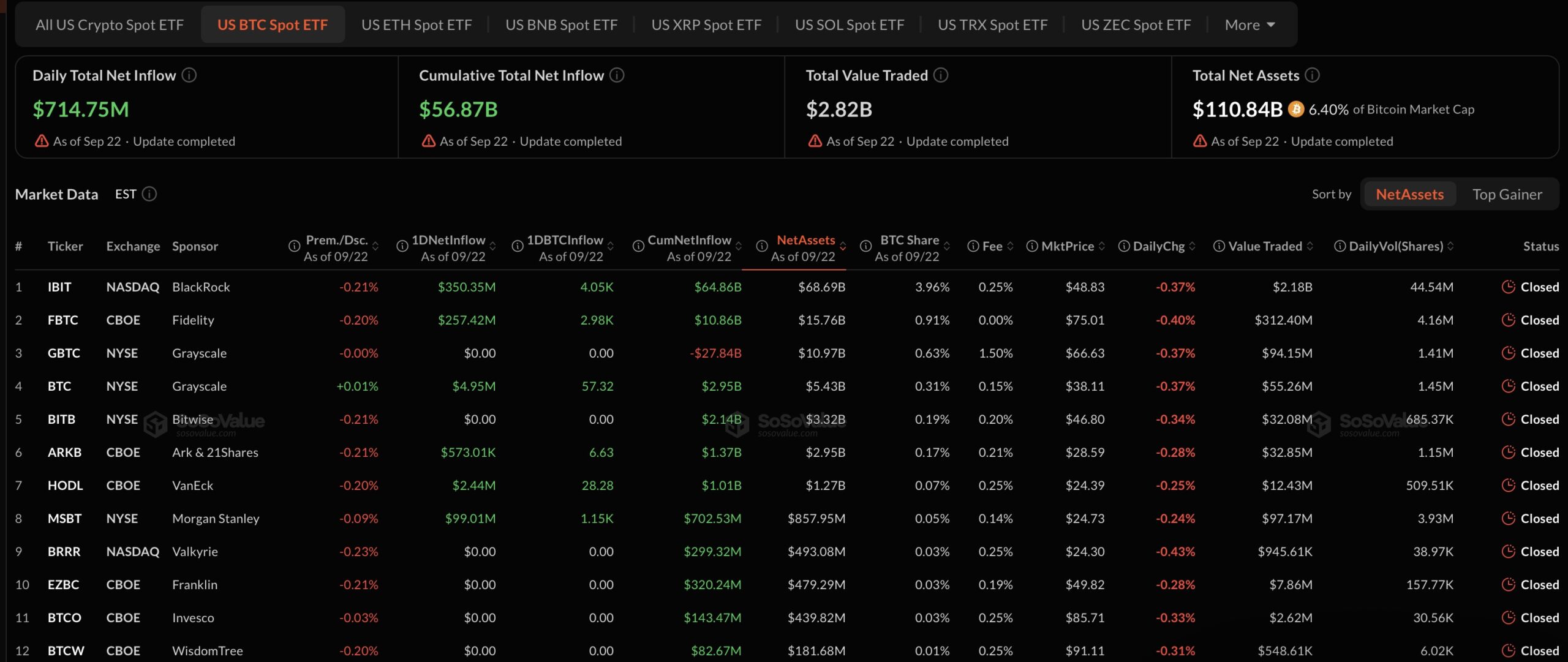
Bitcoin ETF Inflows Sosovalue
Key Technical Levels
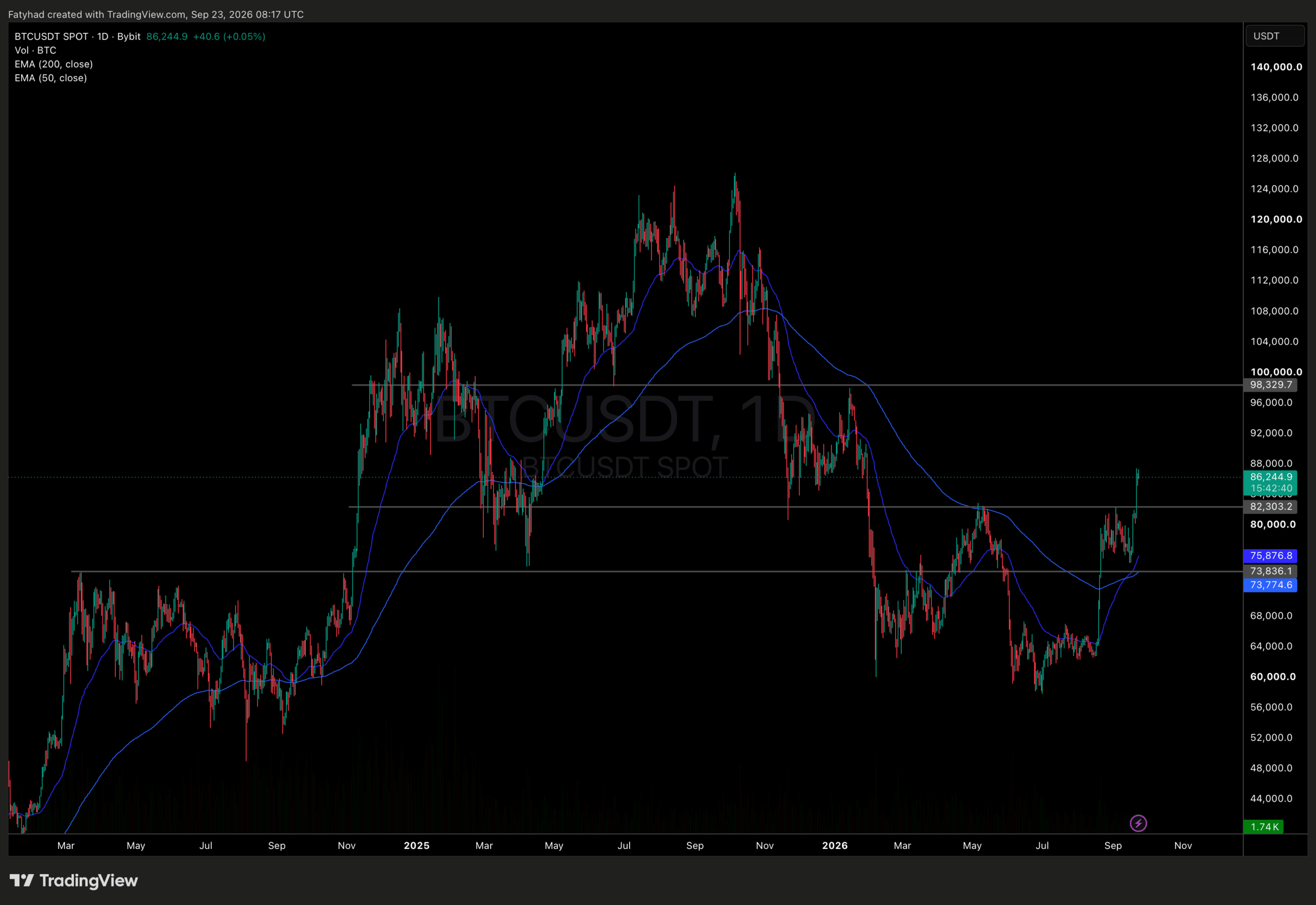
BTCUSDT Chart 1D TradingView
- Breakout confirmation: BTC cleared $82,303, a prior ceiling from May and September, then reached $87,330.
- Support to defend: $82,300. Daily closes above maintain the breakout.
- Near-term target: $90,000 to $92,000, contingent on continued ETF inflows.
- Major resistance: $98,330. Final barrier before $100,000, more plausible as a year-end objective.
- Downside risk: A daily close below $82,300 opens $73,836.
Summary: Bitcoin’s rally is now driven by internal flows rather than gold, equities, or the dollar. This reduces cross-asset dependency but increases sensitivity to ETF and on-chain demand dynamics. For now, price action reflects independent momentum.