
BlackRock IBIT channels ETF demand; MicroStrategy raises capital to buy Bitcoin
IBIT channels ETF demand. MicroStrategy buys with corporate leverage.
IBIT pulls Bitcoin via ETF creations. MicroStrategy raises capital to buy Bitcoin directly.
Both grow large BTC stacks, but capital enters through different pipes. That difference drives timing, risks, and signals for investors.
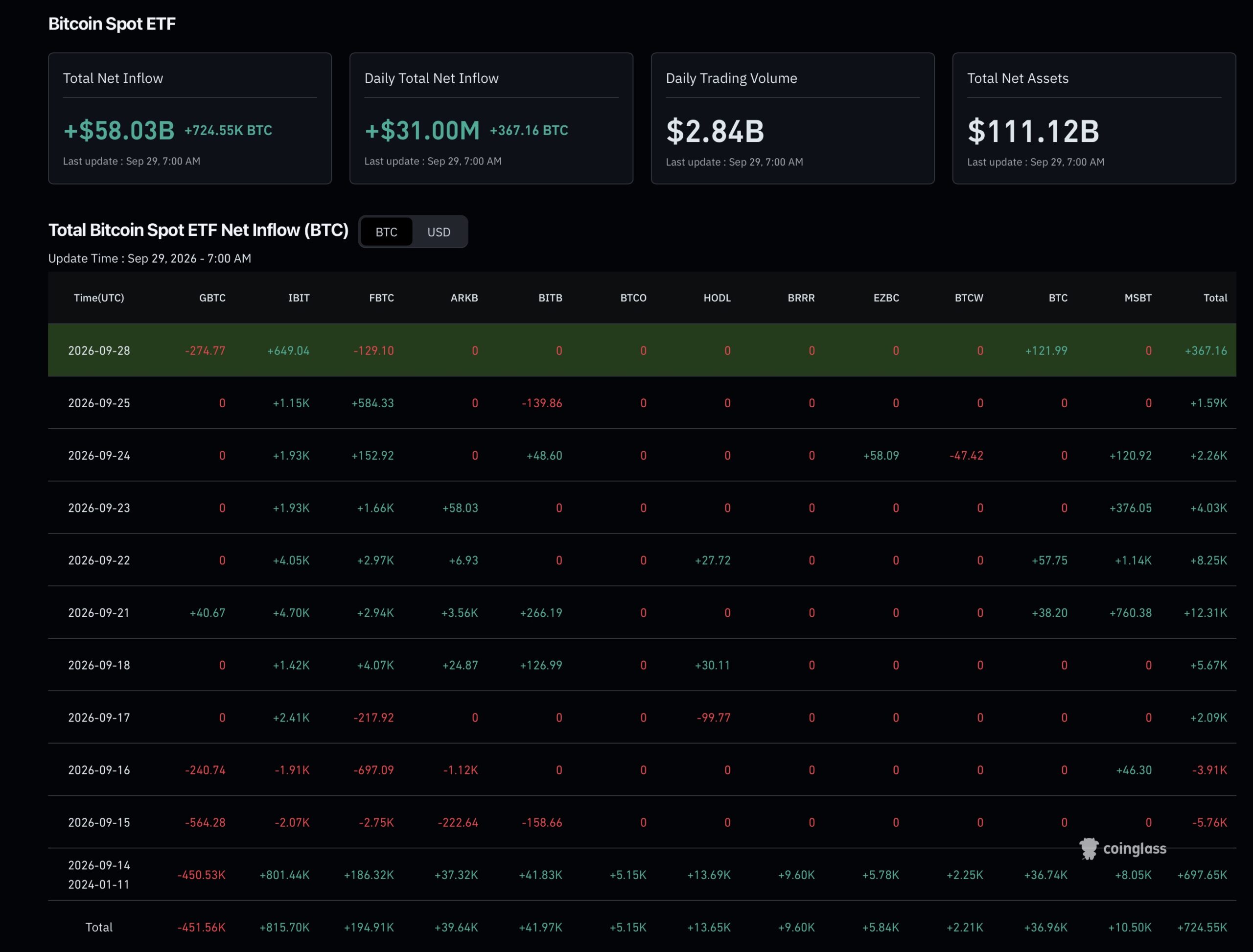
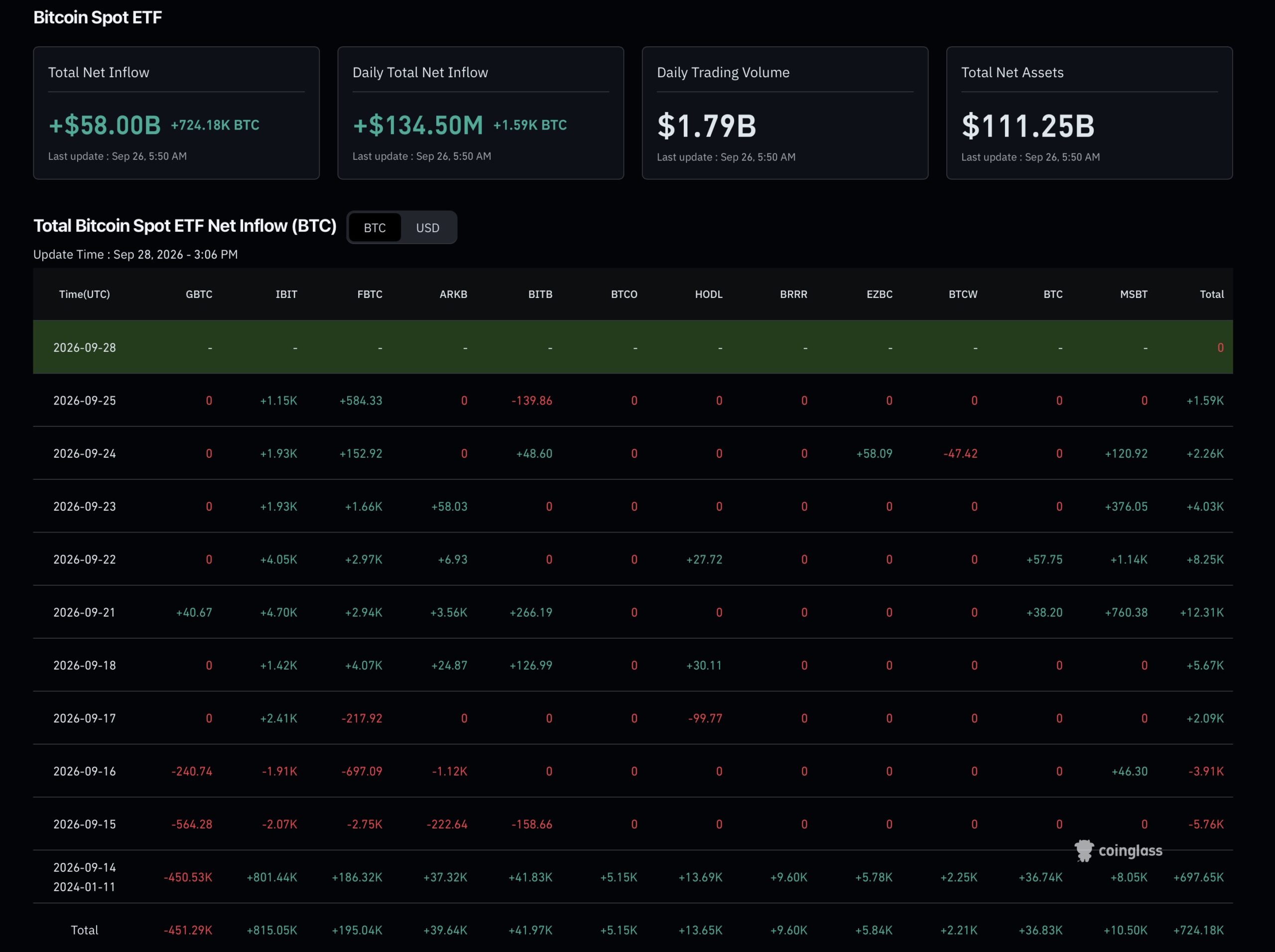
- IBIT is a passive flow machine. ETF buyers push BTC into the fund through creations and redemptions Farside Bitcoin ETF flow data.
- MicroStrategy runs an active treasury strategy. It issues equity, convertibles, and preferreds, then buys BTC, per SEC disclosures and company filings Farside source links to filings.
IBIT shows advisor and institutional appetite inside brokerage accounts. Strong inflows mean traditional investors add exposure through a regulated wrapper. Flows can reverse. The signal is distribution, not conviction.
MicroStrategy builds a leveraged balance sheet around BTC. Funding method, cost, dilution, and senior claims matter. The outcome depends on market windows, board decisions, and capital access.
They are not in a race. IBIT buys when investors create shares. MicroStrategy buys when it raises and deploys capital. If IBIT’s inflows beat MSTR’s purchases in a period, ETF demand simply ran hotter in that window. Windows change.
Why this matters: Bitcoin now absorbs capital from multiple channels. ETFs bring TradFi distribution. Corporate treasuries add balance-sheet demand. These sit alongside long-term holders, miners, sovereigns, funds, and retail. The base broadens.
Traders will compare both because they’re trackable. Daily ETF dashboards show flow. SEC filings and corporate releases show MSTR’s buys and financing. The key read: what type of capital is entering, how sticky it is, and the risks tied to each route.
This coverage relies on Farside Investors ETF flow data and links to MicroStrategy SEC filings.
Bitcoin: BTC