Cipher Digital records first HPC lease revenue, raises contracted revenue to $9.1B
TL;DR: Cipher Digital recorded its first high-performance-computing lease revenue in Q3 2026 and extended the Barber Lake lease to 20 years. Contracted revenue rose to $9.1 billion. This marks conversion of development into operations, not an immediate cash inflow.
A signed data-centre lease and a revenue-producing facility are different milestones. Cipher Digital’s November 2 update places the company between those stages.
In its official business update, the company said rent commenced at Black Pearl, triggering its first HPC lease revenue. It also said the Barber Lake lease was extended to 20 years, bringing contracted revenue to $9.1 billion.
What first lease revenue tells us
Lease revenue recognition signals that part of a project has moved from development to billing. It does not confirm that every planned data hall is operational. Cipher said multiple halls at Black Pearl and Barber Lake are scheduled to come online through year-end, so execution and phased delivery remain central to the thesis.
HPC infrastructure uses longer-term customer agreements instead of mining rewards from self-owned machines. This reduces direct cryptocurrency market exposure and raises dependency on construction schedules and tenant performance.
The extended Barber Lake term and total contract value help model future cash receipts. Contract value is not the same as quarterly revenue, distributable cash or profit: operating expense, financing terms, maintenance requirements and tenant outcomes determine those results.
Energy development is becoming a competitive advantage
Cipher reported conditional base-load classification for its 1-gigawatt Colchis project and early development of lateral pipelines that target up to 2.5 GW of on-site generation for expansion. These are large-scale infrastructure plans, not fully delivered capacity.
Reliable, affordable power is the constraint: data centres cannot meet contracts without stable energy, cooling, equipment and permits. Companies that built sites for Bitcoin mining are trying to convert those locations into AI-capable capacity. Cipher’s results add evidence that this shift is underway because lease revenue has started.
See context on miner transitions toward AI in NewsBTC’s reporting.
Why delivery discipline matters most
Key upcoming disclosures that clarify execution and risk:
- Capacity accepted by customers and timing of handovers
- Revenue by campus and run-rate visibility
- Remaining construction and commissioning costs
- Customer concentration across major contracts
Bitcoin-era data centres can evolve into a different asset class. The assessment now: whether the new use of that infrastructure yields attractive returns after large build costs. First lease revenue is a step forward, not the final outcome.
This article was written by the News Desk and edited by Samuel Rae.
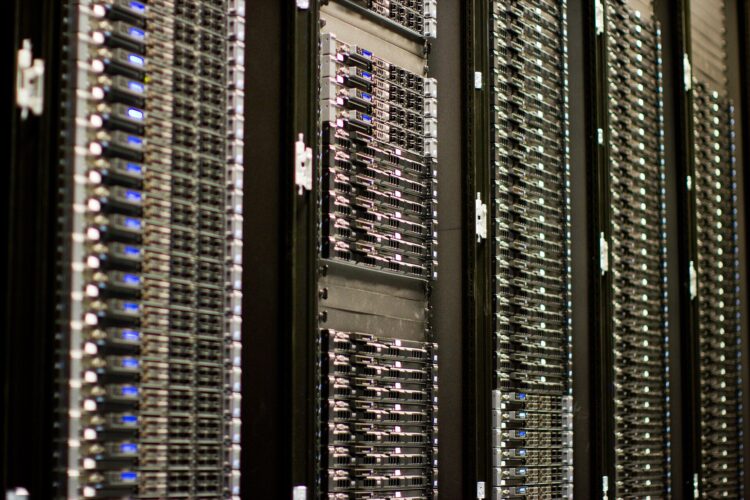
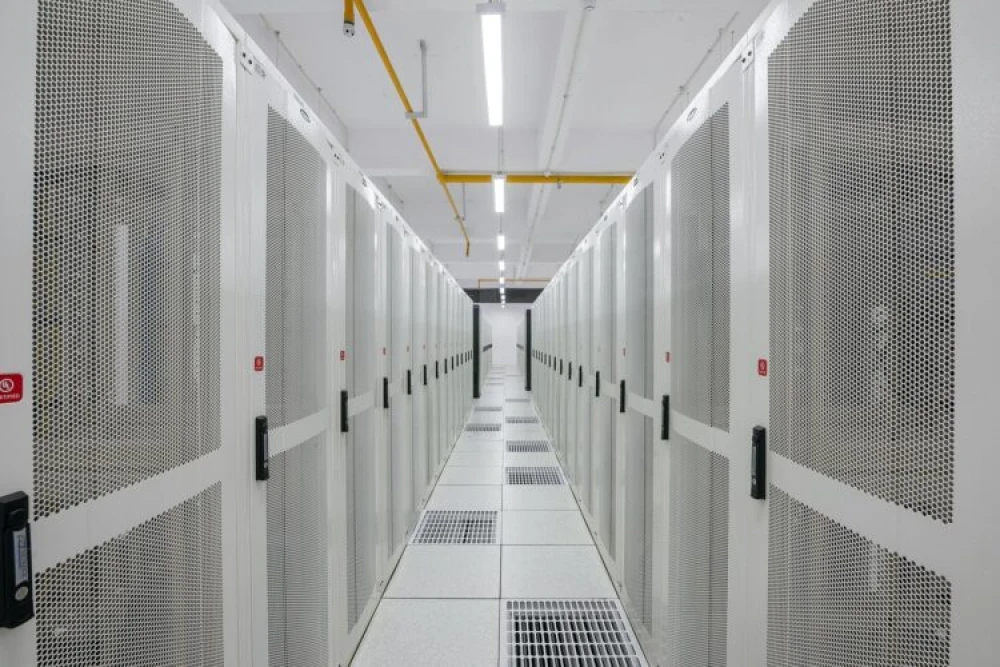
Featured image: Illustrative photograph of data-centre server cabinets. Photo: PiDatacenters via Wikimedia Commons, licensed under CC BY-SA 4.0.
Authors credited by the source: NewsBTC Editorial Team
Published by Holder based on an external source.