
Coldcard PRNG flaw drains $86M Bitcoin from 4,585 addresses
A pseudo-random number generator vulnerability in Coldcard hardware wallet firmware has led to confirmed losses of 1,367 BTC, about $86–89 million, across 4,585 addresses as mapped by Galaxy Research by August 2, 2026. The exploit required no phishing, device access, or user error. Impact: the security of self-custody depends on seed entropy quality, and a single misconfigured macro can silently degrade it for years.
🚨 A 3rd wave in what we suspect are hacks of Coldcard-generated addresses has been identified in which 207.7294 BTC has been drained.
Our estimated observed size of the Coldcard hack is now 1,367.05 BTC (~$88.6m) across 4,585 addresses.
More updates in the thread below 👇 https://t.co/hPtXh9444D pic.twitter.com/g6xA4OOi2f
— Galaxy Research (@glxyresearch) August 1, 2026
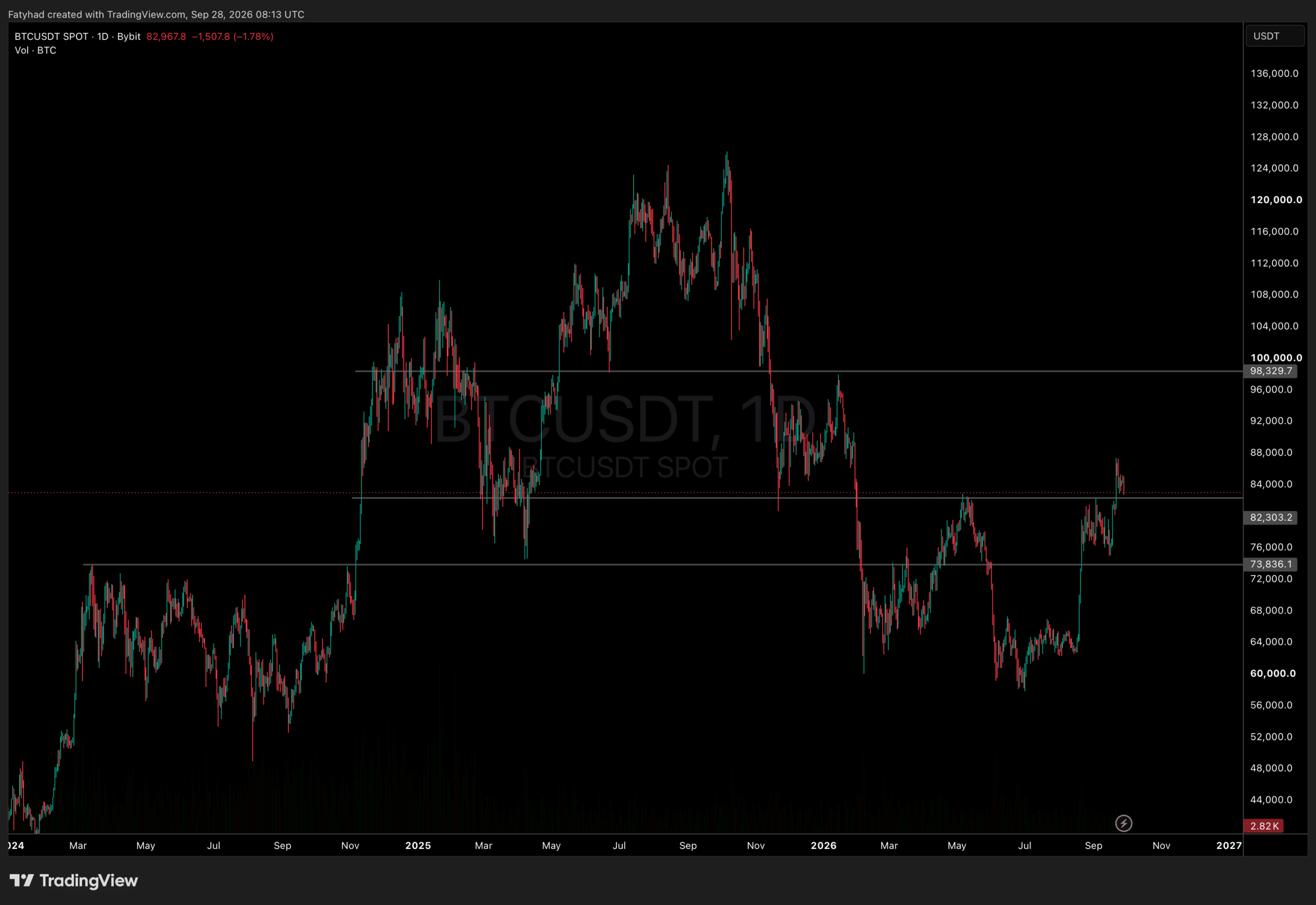
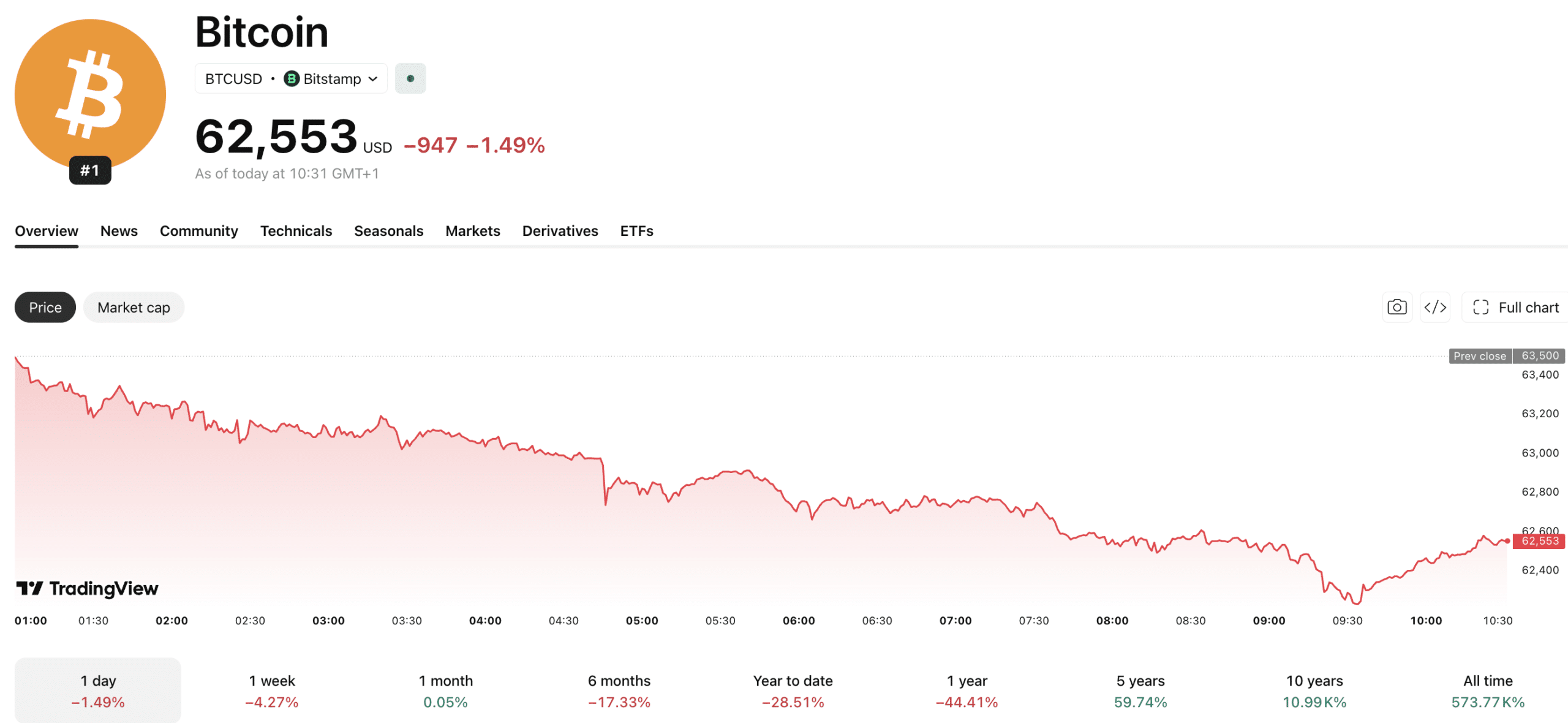
Market snapshot: BTC traded down 1.4% on the day at $62,250 after a week sliding from above $65,000. 24-hour volume: $16.9 billion, down from over $20 billion.
Bitcoin Hack Mechanics: Misconfigured Macro Degraded Seed Entropy
Root cause: in Coldcard’s libngu, Coinkite set a board macro to zero to disable MicroPython’s RNG with the intent to rely on the STM32 hardware TRNG. The guard logic only checked whether the macro was defined, not whether it was nonzero. MicroPython then compiled out the STM32 hardware RNG call and defaulted to Yasmarang, a software PRNG.
- Effective entropy for early affected models: about 40 bits rather than 128 bits expected for BIP-39 seeds.
- Later models Mk4, Mk5, Q: estimated about 72 bits, still below target.
- Timeline: Coinkite issued a security notice on July 30, 2026. An attack hours later drained about 594 BTC from roughly 500 addresses. Two additional waves followed, totaling 1,367.05 BTC across 4,585 addresses by August 2.
- Most stolen BTC remains unspent, indicating delayed laundering or consolidation.
Security Context: Recurring Entropy Failures Across Crypto
The incident aligns with prior randomness-related breaches:
- Android SecureRandom in 2013: repeated nonces in ECDSA signatures exposed keys in multiple Bitcoin wallets.
- Profanity vanity address tool in 2022: 32-bit seed enabled the Wintermute breach, $160 million stolen.
- Milk Sad 2023: Libbitcoin Explorer’s bx seed used Mersenne Twister seeded by system time, collapsing effective entropy to roughly 32 bits and exposing over 120,000 wallets.
Risk framing: TRM Labs reported that infrastructure and key compromises were 15% of incidents yet 76% of total dollar losses across a record 207 hacks in H1 2026. Ari Redbord noted that self-custody transfers operational risk rather than removing it.
Attribution status: Galaxy has reported about 600 suspected attacker-controlled addresses to investigators, compliance vendors, and cybersecurity firms. Its Coldcard attribution relies on on-chain heuristics, not per-address seed reconstruction.