FinCEN blocks MEXC Global’s US banking access over alleged $16B illicit flows
FinCEN ordered US financial institutions to stop processing transfers involving MEXC Global: the agency linked at least $16 billion in transactions to illicit activity such as sanctions evasion and cybercrime involving Iranian, North Korean and Russian actors. The order is a regulatory allegation, not a court judgment, and does not imply losses of customer assets.
What the special measure does
FinCEN’s order blocks US financial institutions from handling funds transfers that involve MEXC Global. The measure targets access to dollar banking rails and intermediary settlement providers connected to the exchange. Blockchain transactions can continue because public blockchains and regulated bank transfers are separate systems.
The $16 billion figure refers to transactions FinCEN associates with illicit activity. It is not a measure of customer losses or missing assets. The finding should be attributed to the US Treasury and not treated as a court determination against every counterparty.
The action forms part of Operation Economic Outcast, a Treasury initiative targeting sanctions evasion networks. Compliance exposure can arise when a payment indirectly touches a prohibited counterparty, even if the end customer did not intend to interact with a sanctioned entity.
Why an exchange’s bank access matters
Exchanges depend on payments companies, correspondent banks, custodians and stablecoin issuers to move customer funds. When US institutions are barred from transfers involving a named exchange, those providers must reassess screening, settlement arrangements and contracts.
Financial plumbing influences liquidity and settlement during stress. The order does not quantify how much MEXC volume depends on US banks or how quickly compliant alternatives could be implemented. Potential market effects require evidence.
What users and counterparties should check
Customers should rely on official notices from the exchange and their banks, and ignore unsolicited messages that claim to unlock accounts. Impersonation and recovery scams often exploit enforcement-related confusion. Institutions should review the order and consult legal advisers to determine specific obligations.
Key uncertainties: how the prohibition will be implemented, what conditions mean for counterparties, and whether MEXC will issue a substantive response. Verified fact: a significant US banking restriction based on FinCEN’s findings. It does not prove that customer crypto balances are missing.
This article was written by the News Desk and edited by Samuel Rae.
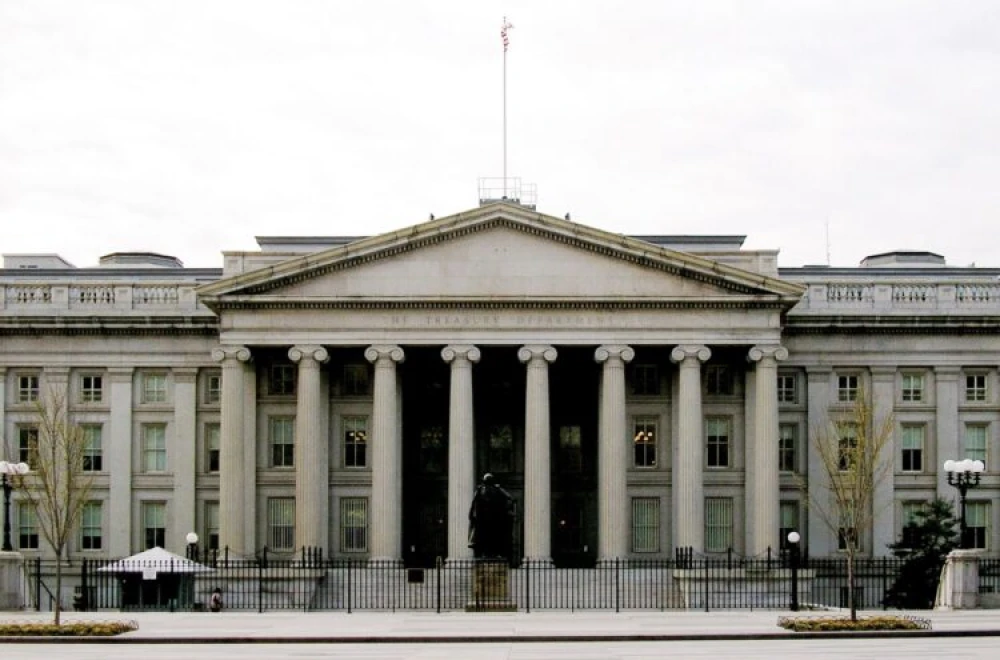
Featured image: U.S. Department of the Treasury building in Washington, D.C. Photo: Loren via Wikimedia Commons, Public Domain license.
Authors credited by the source: NewsBTC Editorial Team
Published by Holder based on an external source.