
Funding Fragmentation Impedes Ethereum’s Ecosystem Growth and Innovation
Ethereum's Transformation
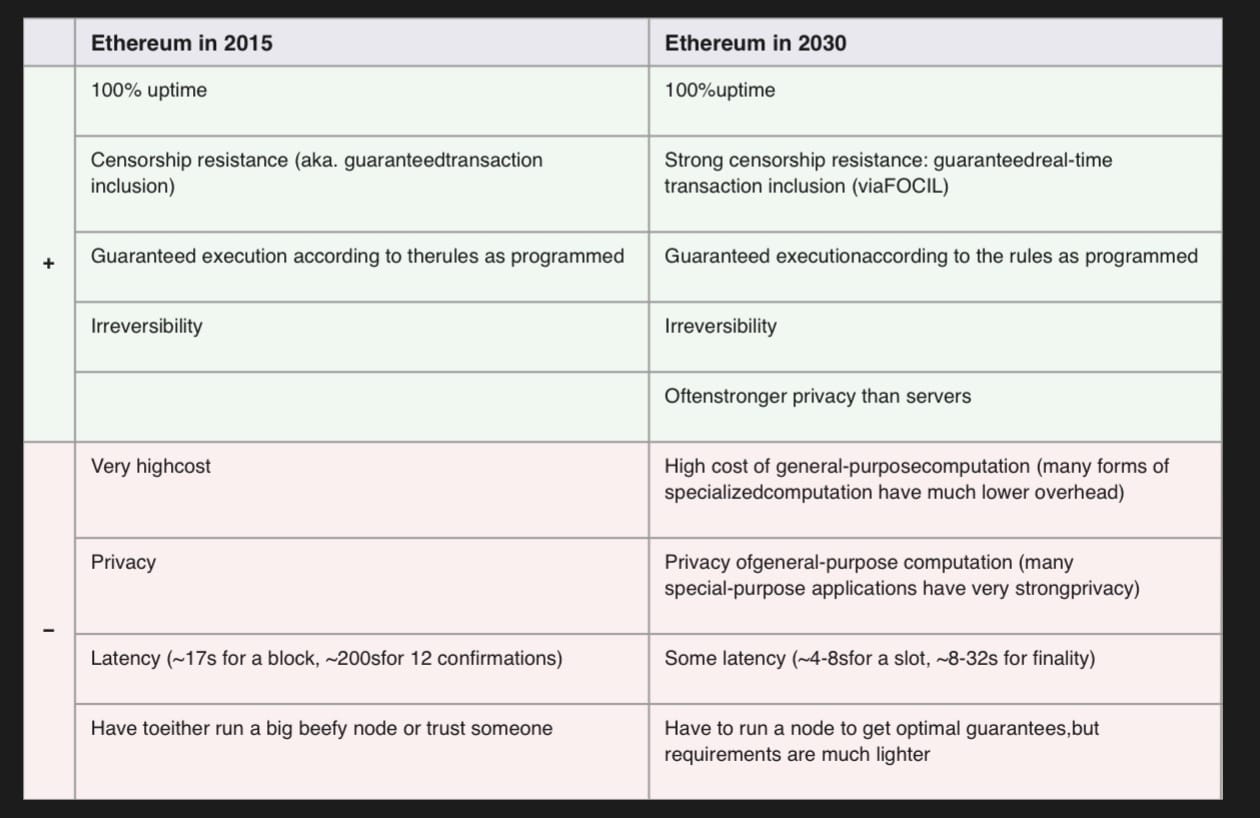
Ethereum has evolved significantly over the past four years, increasing transaction capacity from 15 to thousands per second. Transaction costs have dropped from $50 to just cents. Layer 2 solutions and rollups have facilitated this scalability while maintaining decentralization. However, this progress has led to fragmentation within the ecosystem.
Current Challenges
- Ethereum consists of over 50 Layer 2 networks, each functioning independently.
- Users face challenges in managing multiple networks and bridging assets.
- Funding for builders has become complex, hindering innovation.
Need for New Funding Mechanisms
To improve the ecosystem, Ethereum requires blockchain-based funding models that align with its community-driven nature. Traditional funding often overlooks long-term needs and may not yield immediate financial returns.
Promising Funding Models
- RetroPGF: Rewards projects based on proven impact instead of speculative potential, ensuring critical infrastructure receives timely support.
- Quadratic Funding: Distributes capital based on community support breadth, allowing smaller projects to compete effectively.
- Fractional Investing: Tokenizes project governance rights, enabling broader supporter engagement and diversified investor bases.
On-Chain Ownership
On-chain ownership fosters direct relationships between creators and supporters, enhancing transparency and trust. This visibility can mitigate fraud and clarify funding flows.
Strategies for Addressing Fragmentation
- Make funding common goods a prerequisite for Stage 1 or Stage 2 rollups.
- Redirect Ethereum Foundation grants to support cross-L2 initiatives.
Ethereum's fragmentation is primarily a funding challenge. By implementing innovative funding models, the ecosystem can better allocate resources to impactful projects.