
Hyperliquid trader loses $26.6M as 50,000 ETH short liquidates

A whale using the ENS-linked address pension-usdt.eth was liquidated on Hyperliquid after a 50,000 ETH short, about $108 million notional, unraveled in 12 seconds between 04:51:03 and 04:51:15 UTC. The trader reportedly lost $26.66 million. Hyperliquid’s insurance and backstop fund absorbed the remaining 1,417 ETH. The event was a leverage-driven margin liquidation. Ethereum’s base chain and Hyperliquid’s core operations functioned as designed.
TL;DR
- A Hyperliquid trader using pension-usdt.eth was liquidated on a 50,000 ETH short.
- The unwind took 12 seconds.
- The trader lost $26.66 million; Hyperliquid’s backstop fund absorbed 1,417 ETH.
Why The Liquidation Matters
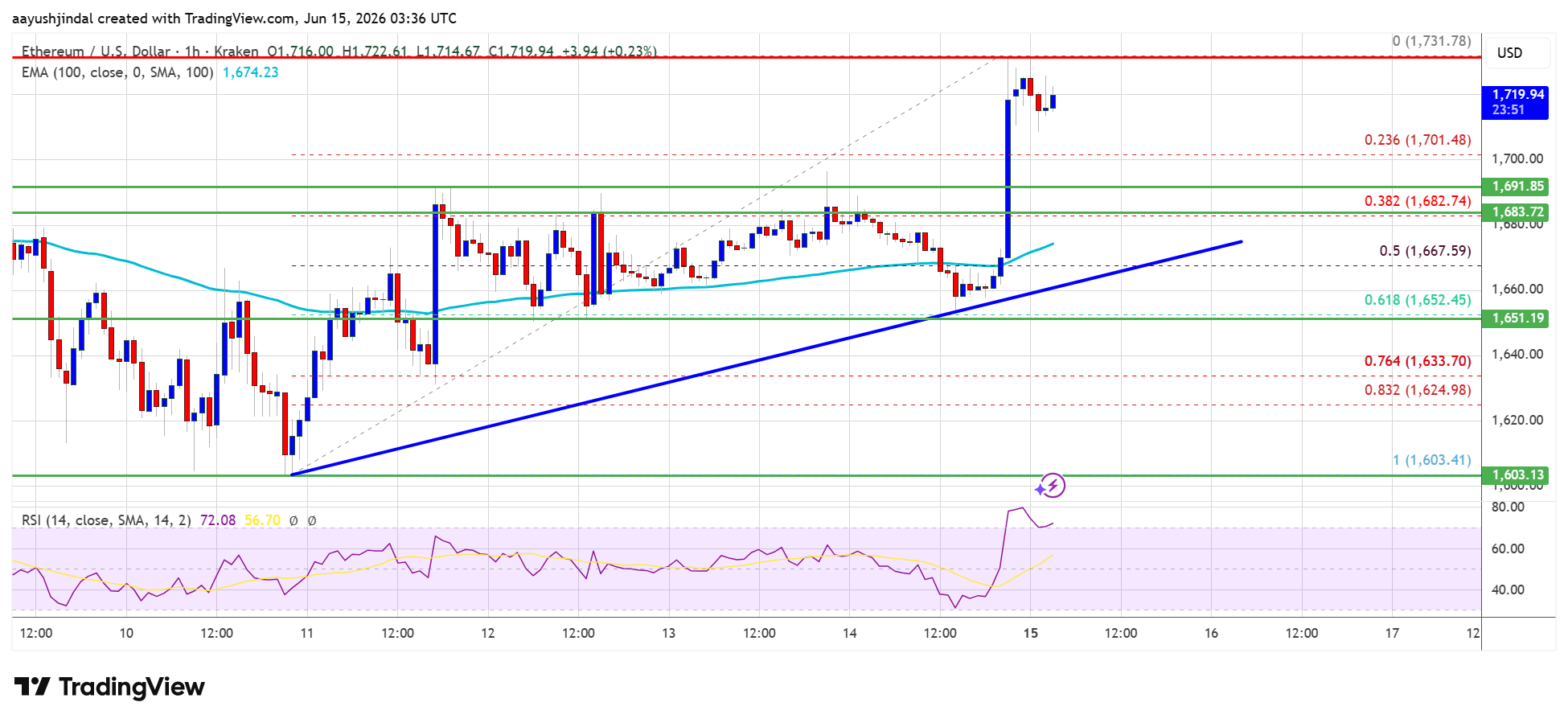
Large liquidations reveal hidden leverage. Spot can appear stable until a forced exit thins liquidity and accelerates price discovery. A 50,000 ETH short represents a concentrated directional bet. The forced unwind added to upward price pressure, turning the move into a leverage-driven cascade.
Hyperliquid’s Role
The episode underscores Hyperliquid’s growing share in on-chain perpetuals and decentralized derivatives. Activity on such venues is traceable: wallets, positions, timing, and outcomes are visible in real time, making risk and liquidation flows more transparent to the market.
Margin Event, Not Protocol Failure
The liquidation reflected insufficient margin against rapid adverse price movement. Hyperliquid’s backstop mechanism contained residual exposure. Ethereum’s network had no consensus or uptime issues. The event occurred in the derivatives layer and followed expected risk controls.
Leverage Dynamics
Leverage amplifies returns and timing risk. High ETH volatility increases the probability of rapid liquidations. A 12-second unwind leaves no manual intervention window once thresholds are breached, and automated systems execute.
What To Monitor
Key gauges: funding rates, open interest, and spot volume. These indicate whether positioning remains skewed and if the liquidation was isolated or part of a broader short squeeze. The move in ETH included forced buying from a major short, which can shift market positioning quickly.
Source: public Hyperliquid trader and liquidation records linked to 0x0ddf9bae2af4b874b96d287a5ad42eb47138a902. News Desk; edited by Samuel Rae.
Authors credited by the source: NewsBTC Editorial Team
Published by Holder based on an external source.