
Crypto short squeeze liquidates $110 million in ten minutes
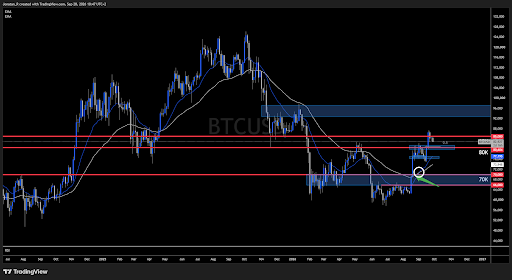
A rapid ten-minute rally on October 2 triggered about $110 million in short liquidations across Bitcoin, Ethereum and the broader market: a classic short squeeze driven by leverage and positioning rather than a confirmed news catalyst.
TL;DR
- About $110 million in crypto shorts were liquidated during a ten-minute rally on October 2.
- Liquidations were concentrated in bearish positions, reinforcing a short-squeeze dynamic.
- No verified macro, regulatory or company trigger: read the move through leverage and positioning.
Shorts become buyers when the market moves against them
Leveraged shorts profit when prices fall. If prices rise beyond collateral thresholds, exchanges auto-liquidate to cap losses. Closing a short requires buying back exposure. When many traders share the same bearish positioning, forced buys cluster, turning an initial rally into a cascade of liquidations and further buying. Similar feedback loops were observed in August during a Bitcoin short squeeze; the scale varies, the mechanism stays constant.
Liquidations explain the acceleration, not the first candle
Verified data: a sudden upward move and concentrated short liquidations. Without a confirmed macro, regulatory or issuer-specific catalyst, assigning a headline trigger is speculation. Positioning can be sufficient: perpetual futures and leveraged products accumulate crowded trades even when spot markets appear stable. Large onchain positions are increasingly observable, such as a $67 million Ethereum short on Hyperliquid showing professional-sized risk in transparent venues.
ETF flows add another layer
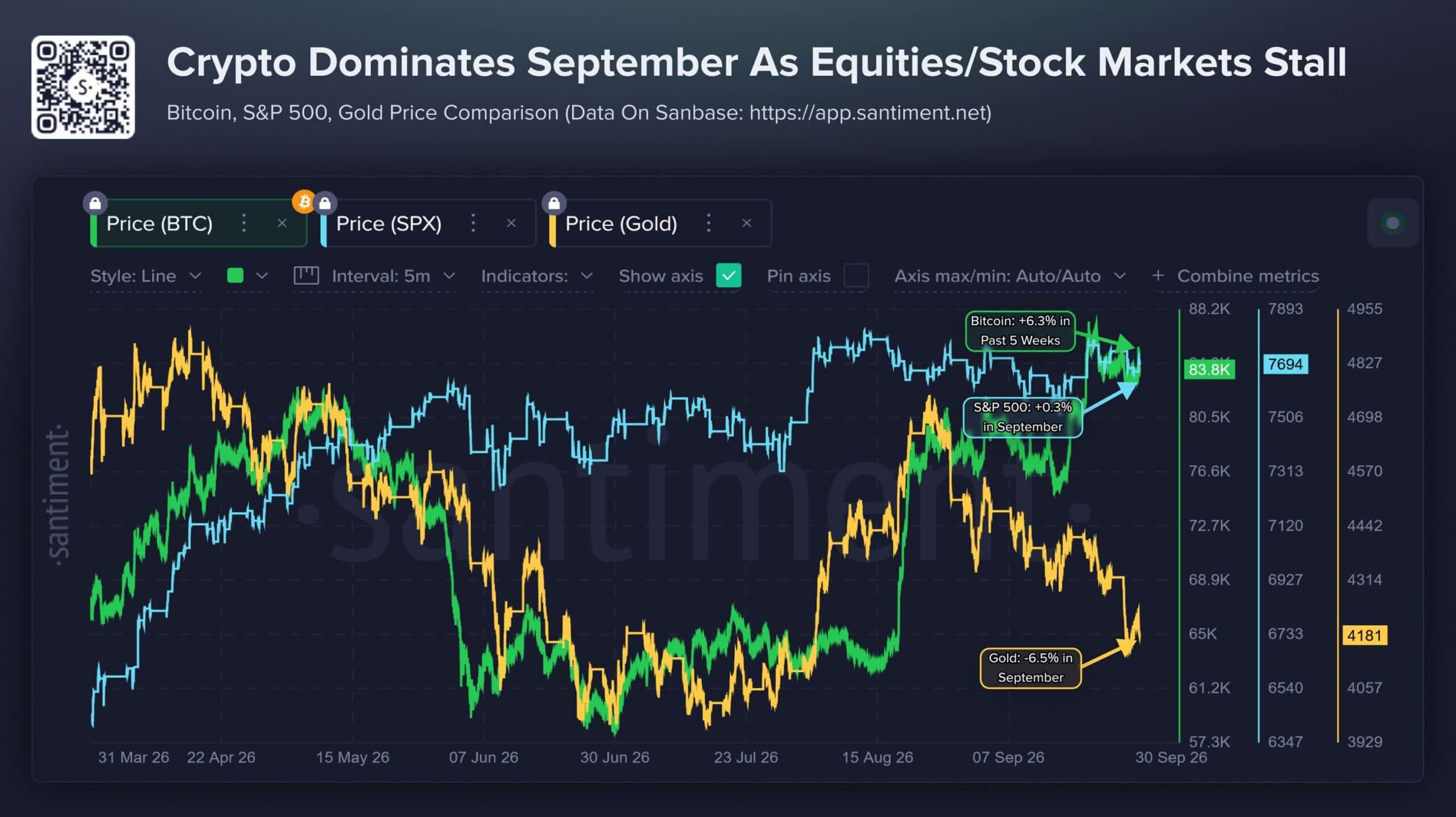
The squeeze coincided with US spot Bitcoin ETFs returning to positive daily flows. Spot ETFs and perpetual futures operate differently but both shape short-term liquidity: ETF creations reflect demand for regulated Bitcoin exposure, while leveraged derivatives amplify price moves when positions unwind. Issuer-level flows can diverge even on aggregate-positive days, as noted in recent ETF coverage.
Leverage was reset, not removed
A $110 million short wipeout reduces bearish leverage but does not eliminate it. Traders can re-enter quickly, and a squeeze can be followed by reversal if spot demand fades. The conclusion: positioning was crowded enough that a rapid upward move forced substantial short exposure out within minutes, and in crypto derivatives that often supplies sufficient fuel for a rally.
—
Written by the News Desk and edited by Samuel Rae.