
KuCoin delists Monero, XMR falls 15% and liquidity shrinks

Monero fell about 15% on Thursday, from $525.36 to $446.54 per BitInfoCharts, after KuCoin announced it will delist XMR. KuCoin will end all four XMR spot pairs on November 30 at 08:00 UTC. Deposits are already suspended and withdrawals stay open until December 31, subject to early closure if network issues arise. XMR flexible savings, conversion and automated trading services are also being discontinued.
KuCoin will stop accepting XMR as collateral for VIP loans. Borrowers using Monero as collateral may need to add other assets to avoid liquidation. Remaining XMR balances on the exchange may be converted into stablecoins, although KuCoin does not guarantee this. The exchange referenced its platform policies but did not name a specific regulatory trigger.
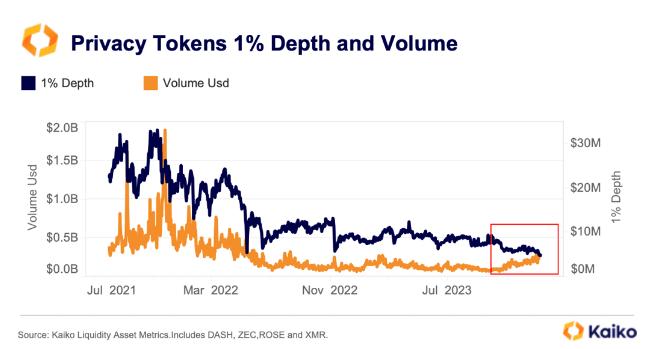
KuCoin is currently the most active Monero venue. CoinGecko shows its XMR/USDT pair handling about $62.6 million in 24-hour volume. The delisting follows MEXC’s removal of XMR spot pairs on November 17, Binance’s Monero delisting in February 2024 and Kraken’s halt of XMR trading for EEA users in October 2024, which Kraken linked to regulatory changes. Research from Kaiko indicates liquidity across privacy coins such as XMR, ZEC, DASH and ROSE had already declined by early 2024 after earlier restrictions.
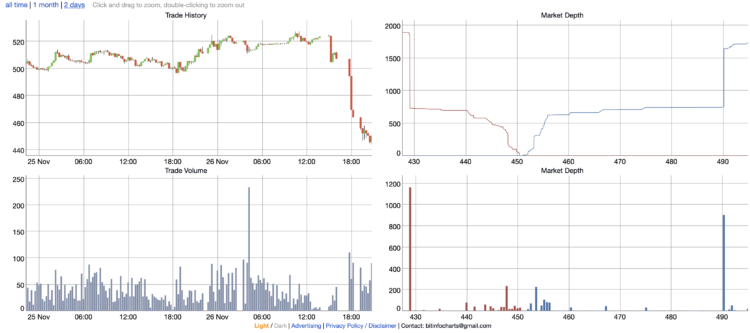
Trading activity does not disappear entirely when an asset is delisted. Volume can migrate to other exchanges and holders can move coins to private wallets. The key issue is how well the remaining venues can absorb orders. With fewer exchanges, large trades can face higher slippage and more pronounced price moves, especially during stress periods. For Monero this is increasingly a market structure and liquidity challenge rather than a technology or network functionality issue.
Monero’s protocol is unaffected by KuCoin’s exit. The network continues to operate as a privacy-focused payment system and has previously absorbed losses of major centralized listings. XMR reached prices above $700 earlier in 2026 despite being removed from Binance’s spot markets.
However, a functioning network does not ensure a liquid market. Investors still require efficient on- and off-ramps to trade without incurring high costs. November 30, when KuCoin’s spot pairs end, will be a key date: the critical indicators are where KuCoin’s XMR volume moves and how much slippage appears on remaining exchanges when handling larger orders. These metrics will help distinguish a short-term delisting shock from a persistent liquidity deterioration for Monero.
Authors credited by the source: Andrei Belov
Published by Holder based on an external source.