
Standard Chartered coverage boosts Aave’s role in institutional DeFi
Standard Chartered puts Aave back on the institutional radar
Standard Chartered reportedly started research coverage on Aave. The note focuses on RWAs and stablecoin liquidity as possible growth drivers for DeFi lending (source).
Bank coverage does not change on-chain data. But it can shift how wealth desks and corporates talk about DeFi (source).
The thesis is simple. If stablecoins and tokenized RWAs scale, markets need deep venues for collateral, borrowing, and management. Aave sits near that core. It held liquidity through cycles and remains a top lending brand.
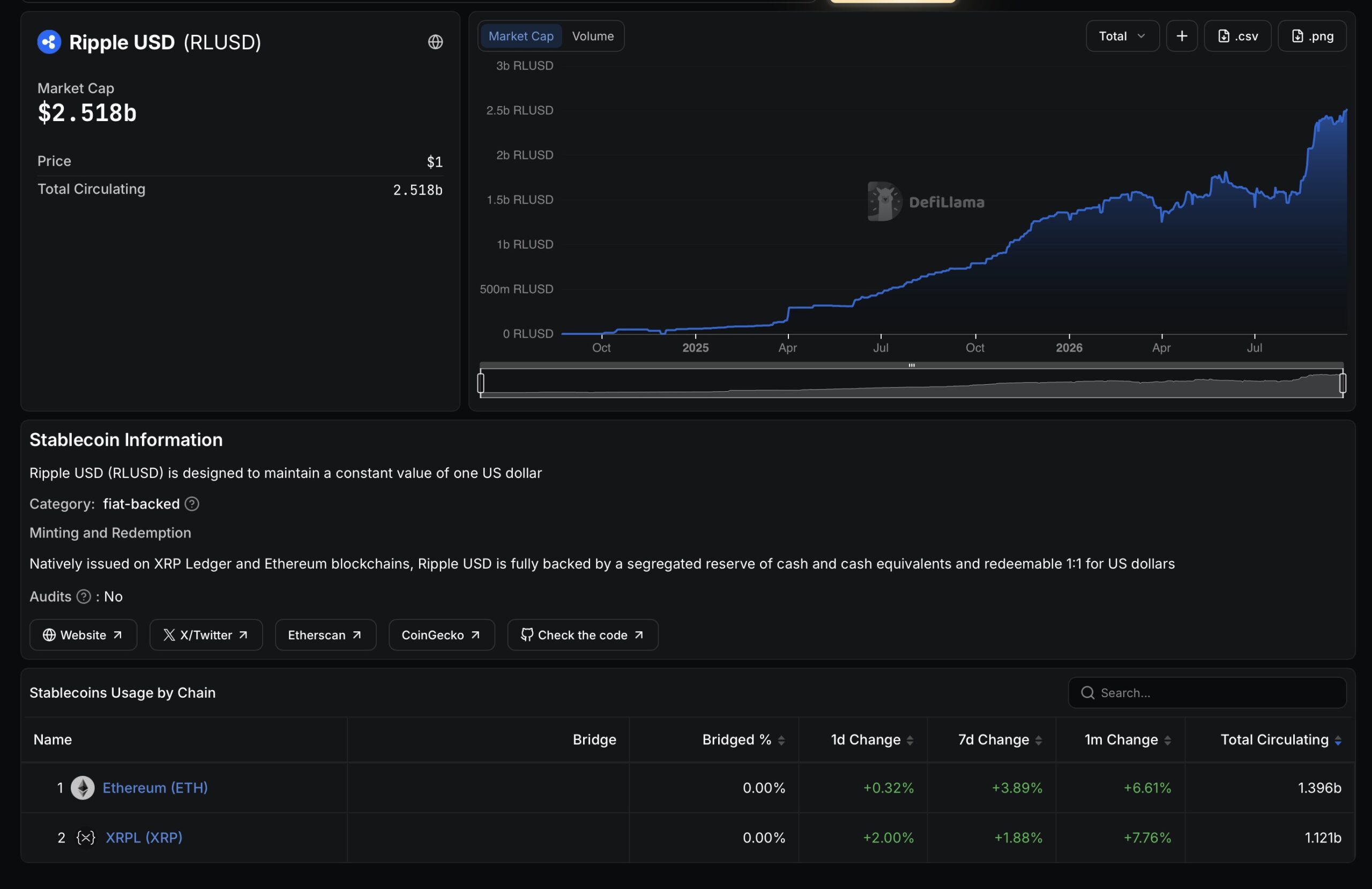
RWAs expand the use case. Tokenized treasuries, fund shares, private credit, and stablecoin settlement could feed lending demand. Then protocols start to look like programmable credit rails, not niche apps.
The shift is not trivial. RWAs add legal, custody, pricing, and liquidation complexity. Risk teams will scrutinize governance, oracle design, smart-contract risk, regulatory treatment, and counterparties.
Aave’s edge is familiarity. Institutions know its model. Governance is transparent. The risk is the same openness. Large flows make votes and parameter changes more critical.
The bull case. Aave becomes a neutral liquidity layer for on-chain finance. The weaker case. Adoption stays narrative. Regulated capital sticks to permissioned venues and private rails.
This is a measured signal, not a trigger. It shows big banks still study lending protocols as infrastructure, after a tough period for DeFi valuations (source).
What to watch next
- Stablecoin and RWA inflows into lending markets
- Aave governance and risk parameter updates
- Institutional demand for permissionless versus permissioned rails
- Collateral mix beyond ETH and wrapped BTC
Source: Standard Chartered insights