TeraWulf Reports $63M AI leases, 83% of Q3 revenue
TeraWulf’s November 6 earnings show a business pivoting from Bitcoin mining to AI infrastructure: high-performance-computing leases produced $63 million in Q3 revenue, 83% of the $76.2 million total. The company’s reported profit was driven by non-cash items while core profitability was negative, and its largest growth drivers are long-dated, capital-intensive projects.
Revenue mix and operating base
TeraWulf operates mining infrastructure at Lake Mariner and is repurposing parts of the site for contracted computing workloads. Critical IT capacity online at quarter-end: 102 megawatts. Under construction: 336 megawatts. These figures reflect revenue-generating data-centre capacity rather than power contracts or land entitlements. Power deals or campus capacity do not equal active, paying IT load.
Financials: net income of about $709.9 million in the quarter, largely due to a non-cash change in the fair value of warrants. Adjusted EBITDA: negative $12.8 million. The headline profit does not reflect recurring rental revenue, financing costs, or operating cash flow.
Source: company’s third-quarter results published November 6 on Nasdaq-listed TeraWulf’s site, press release.
Contracts, financing, and execution
Key agreements:
- Anthropic lease: 20-year term, about 401 megawatts at the Justified development in Kentucky, roughly $19 billion in contracted revenue over the initial term. This is a contractual commitment, not upfront revenue.
- Financing support: a Google credit backstop for anticipated project financing.
- Delivery: definitive engineering, procurement, and construction agreement with Fluor.
Schedules and scope:
- Justified phased service availability: begins late 2027 and continues into 2028.
- Muskie: contracted power capacity expanded toward one gigawatt, subject to regulatory approvals.
Execution risks: construction timelines, project financing, utility infrastructure readiness, and adherence to budget.
Implications for Bitcoin markets
A miner reallocating capacity to AI reduces exposure to Bitcoin-specific variables such as difficulty, coin price, and power cost. The same grid connections, facilities, and financing that supported mining are now being used for AI workloads. Network impact depends on which mining machines are retired or redeployed and whether remaining miners absorb capacity. Hashrate trends can still rise even as listed miners shift toward computing leases, as discussed in NewsBTC’s analysis of miners’ AI pivot and in its piece on rising network hashrate.
What to monitor
- Completed megawatts of critical IT capacity and timing of rental commencements
- Capital expenditures versus guidance and schedule adherence
- Project financing terms, the role of the Google credit backstop, and overall leverage
- Contractual counterparty exposure, especially the Anthropic lease and EPC execution by Fluor
- Cash generation relative to adjusted EBITDA and interest obligations
This article was written by the News Desk and edited by Samuel Rae.
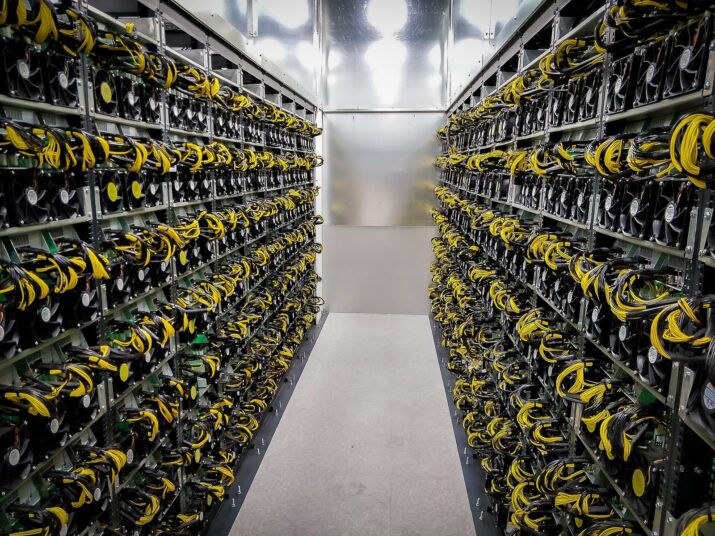
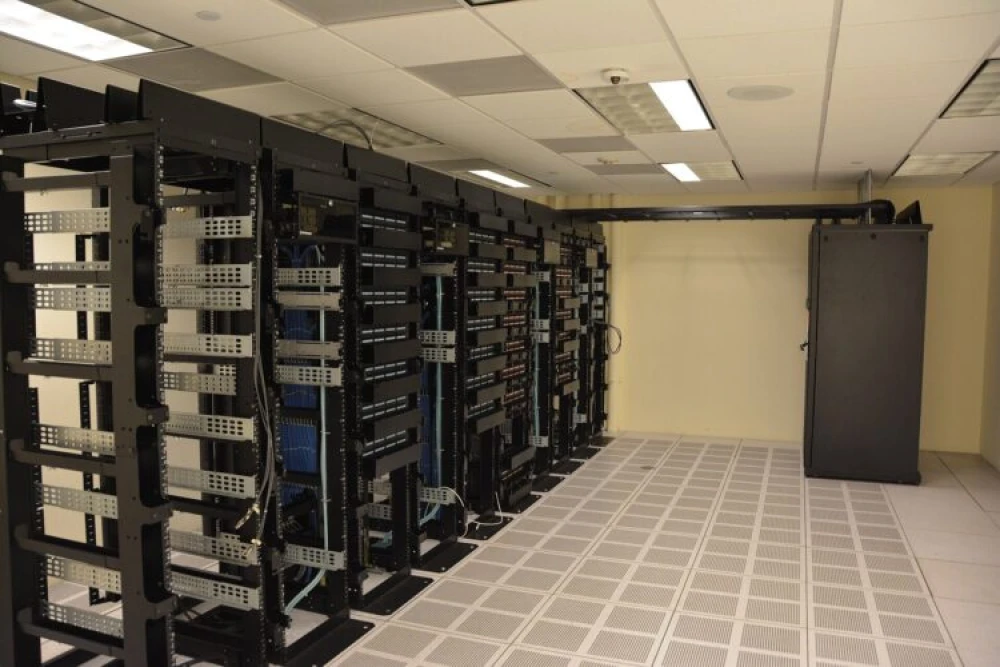
Featured image: Rows of server racks in a data centre, illustrative photograph only, not an actual TeraWulf, IREN, or BitFuFu facility. Photo: Carl Lender via Wikimedia Commons, licensed under CC BY 2.0.
Authors credited by the source: NewsBTC Editorial Team
Published by Holder based on an external source.