Tether froze $1.5B USDT linked to Binance hack
TL;DR: Tether said on November 2 that it froze more than $1.5 billion in USDT linked to the late-October Binance attack in coordination with investigators and industry partners. The statement outlines Tether’s actions and does not confirm who owns the frozen funds or whether they can be recovered.
Comparisons to bank and payment-provider safeguards are more informative than framing freeze capability as purely a feature or a flaw. Legal compliance can restrict access in both systems, and the quality of remedy processes and the transparency of decisions determine outcomes as much as the initial intervention.
What the primary source establishes
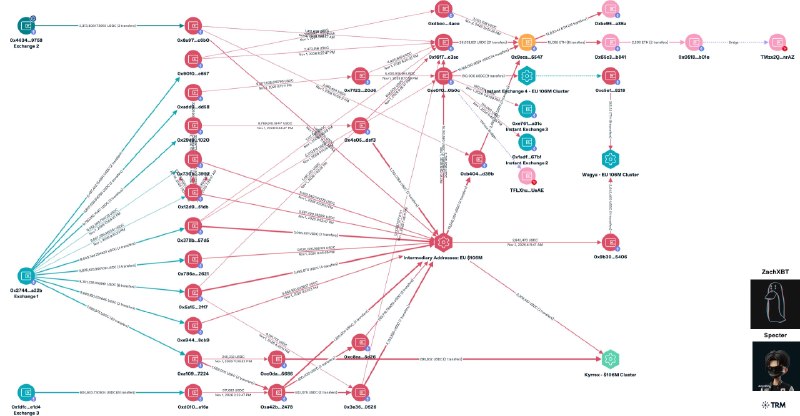
Tether reported freezing more than $1.5 billion in USDT connected to the late-October Binance incident after receiving actionable intelligence. The action involved issuer-enforced restrictions on specified balances. A freeze differs from asset recovery and does not mean funds have been returned to victims. The dated original disclosure provides the figures and scope referenced.
Centralised stablecoins can include contract functions that block transfers by designated addresses. This supports law-enforcement partners in ways not available for native Bitcoin. It also embeds a condition in the product: the ability to transact depends partly on issuer authority over transfer rules.
Why this matters beyond the headline
The case shows a trade-off. The capacity to immobilise suspected stolen funds can help preserve value during investigations. The same control raises questions about mistaken identification, appeals, transparency and cross-border reach of private restrictions. Stablecoins often feel like digital dollars, yet governance choices can be as consequential as transaction speed.
“Digital dollar” is not a uniform product. A stablecoin holder faces an issuer and its reserves. An exchange user faces trading and custody arrangements. A merchant faces conversion and settlement partners. Sound assessments follow this chain of obligations and do not assume a one-dollar peg removes counterparty risk.
For context, see prior reporting on Binance’s phased withdrawal restart and Tether’s September-end reserve disclosure. These explain related market structure and do not imply new proposals are already active.
What the announcement does not prove
Tether’s statement describes its participation and does not verify the ultimate ownership or recoverability of each frozen token. Some illicit proceeds may have moved through assets or networks outside issuer control. Publicly reported freeze totals cannot be combined with other recovery figures without checking for overlap.
Stablecoin use relies on ordinary financial services at the edges. Funding accounts, meeting identity requirements, accessing banking partners and redeeming balances remain necessary even if token transfers settle quickly. Utility depends on solving these steps and cannot be inferred from issuance volumes or partnership announcements alone.
What to watch next
Track validated recoveries, legally authorised unfreezing or transfer procedures and clearer accounting of overlapping freeze numbers across firms. The longer-term question is whether issuers can build fast, reviewable processes that protect uninvolved users while meeting lawful requests. A freeze begins asset preservation and does not complete it.
Written by the News Desk and edited by Samuel Rae.
Authors credited by the source: NewsBTC Editorial Team
Published by Holder based on an external source.