
US filed civil forfeiture for $1.1B USDC from Binance hack
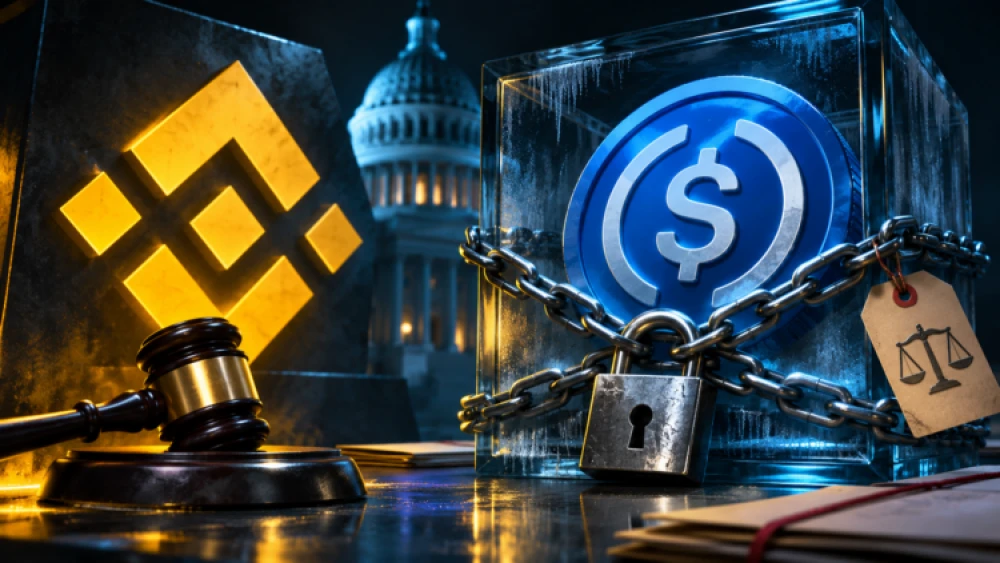
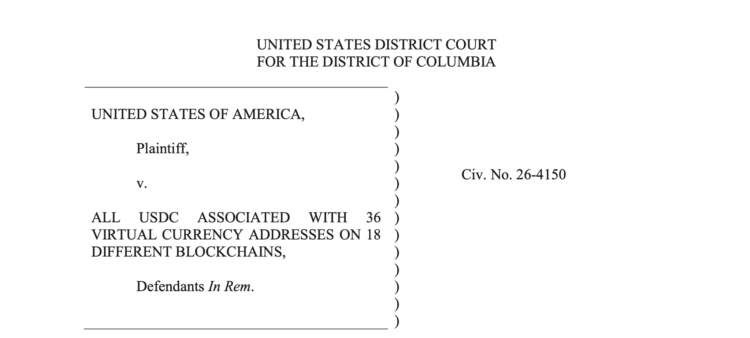
US authorities filed a civil forfeiture complaint on November 23 seeking more than $1.1 billion in USDC tied to the October 29 Binance hack. The filing targets 36 addresses across 18 blockchains and advances legal control of already frozen assets: it does not determine final ownership or distribution. Investigators attribute the attack to North Korean groups, including Lazarus, and estimate the original theft at approximately $6 billion.
Circle froze about $1.1 billion in linked USDC and told the court it cannot technically move tokens out of blocklisted addresses. It proposes issuing equivalent replacement USDC to the United States if a forfeiture order is granted. This approach highlights a centralized stablecoin feature: issuers can immobilize tokens without private-key control of the wallets holding them. It also raises an accounting task: how Circle will reflect replacement issuance and frozen balances in outstanding supply and reserves will merit scrutiny.
Status: Legal Control Advances, Recovery Not Completed
US authorities obtained a temporary restraining order on November 12 to preserve the assets and requested that restrictions remain through the forfeiture proceedings. Binance and Circle consented to the order and its extension. Civil forfeiture is a process against property linked to alleged criminal activity: prosecutors seek forfeiture to the United States, which is distinct from immediately returning funds to Binance. The filings move stage two of recovery: 1) restrict access, 2) secure legal authority, 3) determine final distribution. Stage three remains undecided.
“
does not have the technical ability to transfer the Defendant Property from the blocklisted Subject Addresses to the United States
US forfeiture complaint · November 23 filing
Cross‑Border Oversight and Investor Implications
On November 18, Reuters reported an Abu Dhabi court order directing several firms, including Circle, to preserve assets connected to the theft. The US and UAE actions show how one crypto theft can trigger proceedings in multiple jurisdictions. Blockchain transfers are borderless: asserting legal ownership is not. Parallel actions are not inherently conflicting, but final disposition will require more than a single government announcement. For Binance’s financial assessment: frozen is not recovered. Restricted assets should not be treated as returned capital.
The $1.1 billion Binance recovery process. Source: US District Court for the District of Columbia filings, November 23, 2026.
Stablecoin Control: Benefits and Safeguards
The case tests centralized stablecoin design. Circle’s freeze capability likely preserved significant value for potential recovery. The trade‑off: the market must rely on issuer and government processes. Safeguards require transparency: reasons assets were frozen, legal authority for ongoing restrictions and methodologies for resolving ownership claims. The same disclosure standard applies to Binance, Circle and the government.
What to watch next
- Court rulings on the forfeiture claim and any competing claims to the assets.
- Circle’s execution and reporting if replacement USDC is issued, including supply and reserve treatment.
Conclusion: the $1.1 billion remains subject to an ongoing recovery effort. Asset freezes and legal control do not equal repayment to Binance.
Authors credited by the source: Elena Marquez
Published by Holder based on an external source.