
Thune sets Sept. 15 cloture vote to advance CLARITY Act
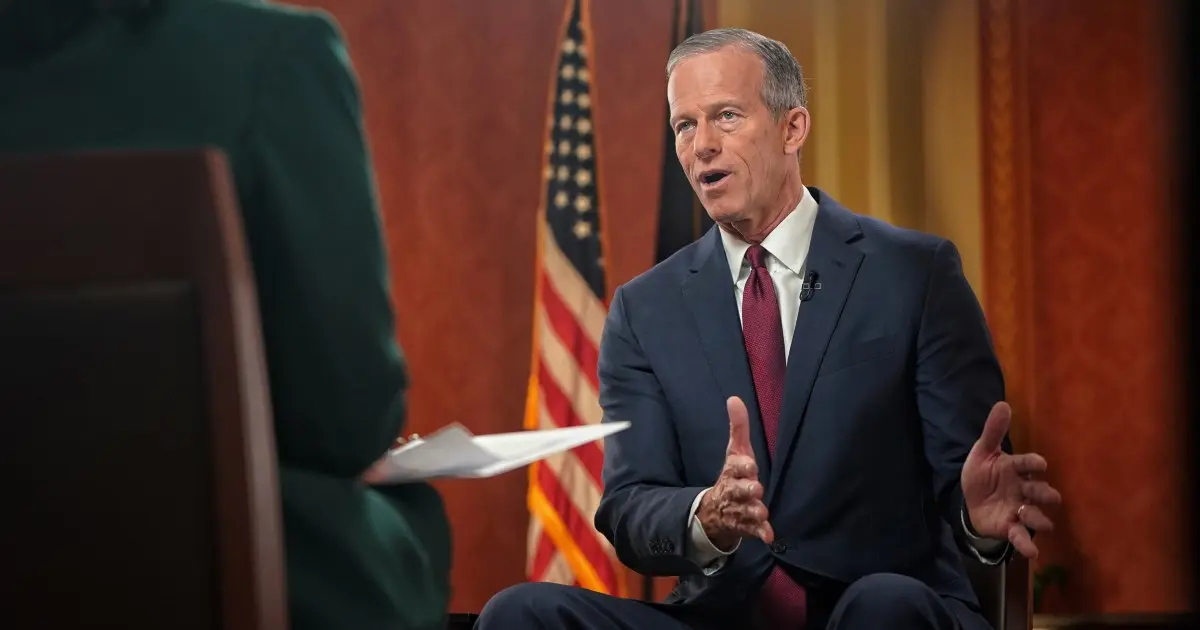
Senate Majority Leader John Thune filed a cloture motion on the motion to proceed to H.R. 3633, the Digital Asset Market Clarity Act. The filing initiates the Senate’s decision on whether the bill reaches floor debate. Crypto market-structure bills have previously stalled at this threshold without a substantive vote.
More than two months elapsed between committee action and the motion to proceed, reflecting competition for floor time. Coverage of the bill’s Senate prospects cites timing as the binding constraint heading into fall.
Cloture Dynamics and Timeline
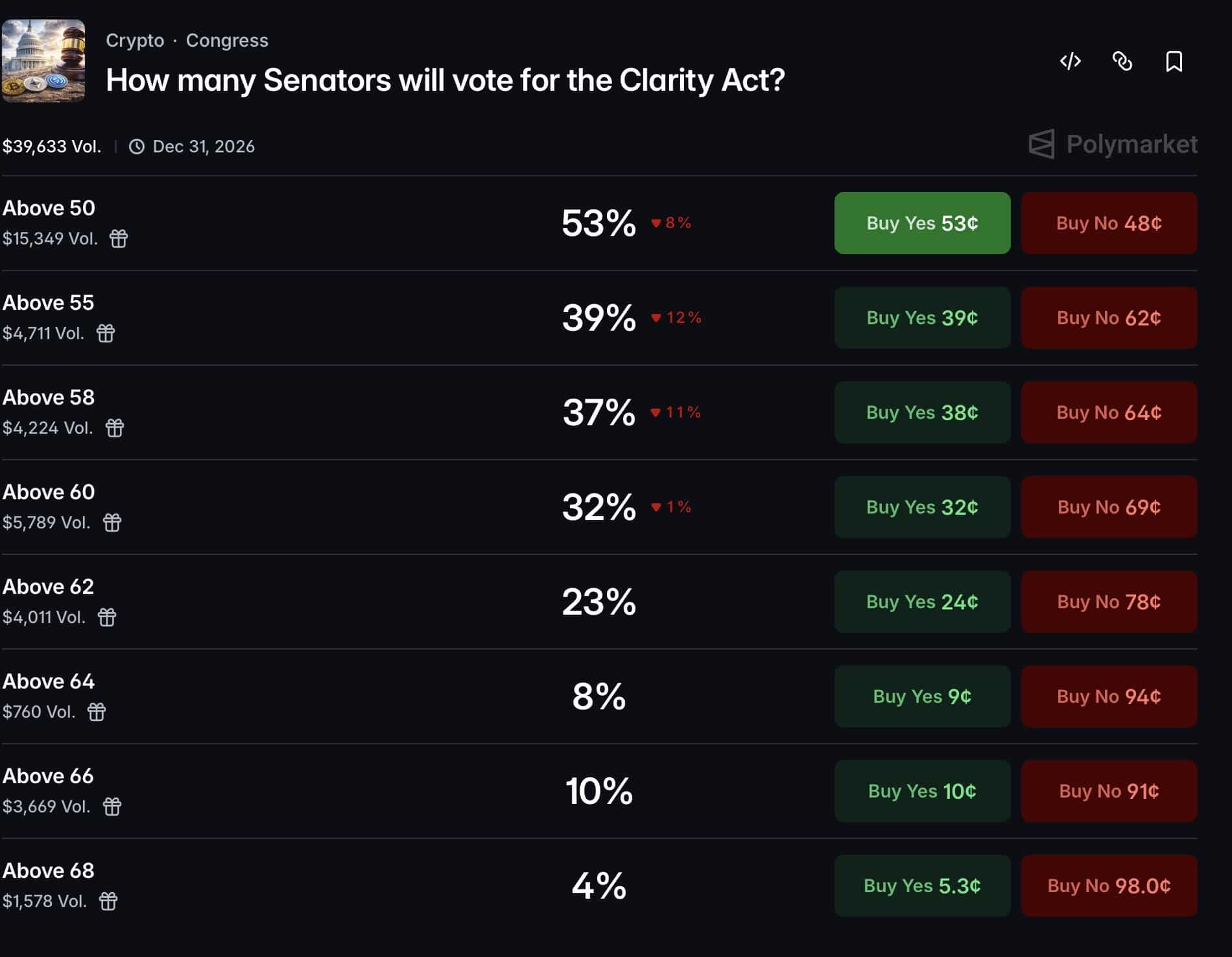
Cloture on a motion to proceed requires three-fifths of the Senate, or 60 votes, to end debate on whether to take up the bill. Advancing H.R. 3633 requires bipartisan support before any amendments or final passage. The Senate’s cloture log lists the August 8 filing by Thune with no recorded result yet. The Block reported a potential September 15 cloture vote ripening date, which has not appeared on a formal Senate floor notice. Social media posts have claimed the vote is set, but the Senate record reviewed here does not confirm that schedule.
Bill Structure and Key Limits
The bill preserves the House framework’s division of oversight: the Commodity Futures Trading Commission would regulate digital commodity exchanges, brokers, and dealers, while the Securities and Exchange Commission would retain jurisdiction over primary-market transactions. The bill limits issuers using its registration exemption to a $75 million cap over any 12-month period, tied to certification that the related blockchain is “mature.”
Market Signals From the Cloture Outcome
A successful cloture vote opens floor debate and amendments but does not schedule final passage. A failed cloture vote returns the bill to the calendar without a guaranteed path to floor time this session. The vote outcome will indicate the Senate’s appetite for crypto market-structure legislation more than prior committee actions.