
Saudi East-West pipeline closure risks 4% of global oil supply
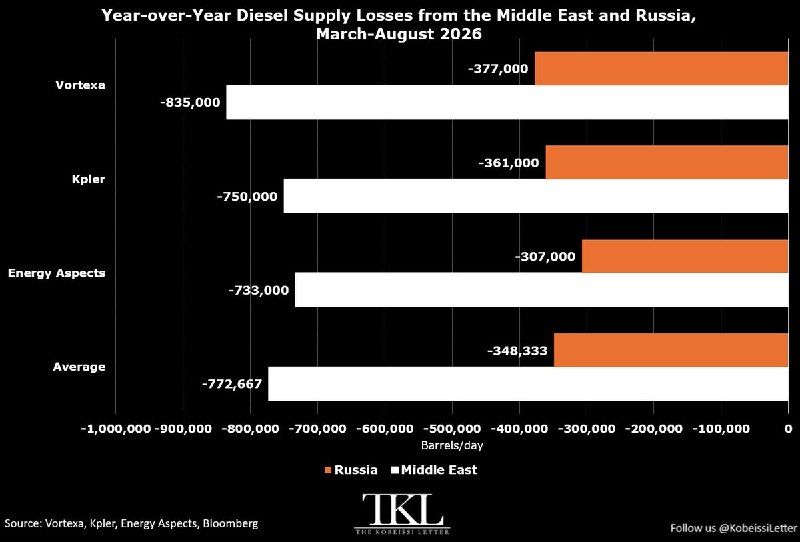
Saudi Arabia’s East-West pipeline has been shut after recent strikes. Reuters reports that if it is not reopened this week, about 4% of global oil supply could be removed. Repair timelines range up to six weeks, implying a loss of roughly 4 million barrels per day. Iran-aligned Houthi forces are advancing toward the Bab el-Mandab Strait. Oil markets open in under nine hours.
Key details
- Asset affected: Saudi East-West pipeline, also known as Petroline, which moves crude from eastern fields to the Red Sea.
- Supply at risk: 4% of global supply, about 4 million barrels per day, if shutdown persists through the week.
- Repair horizon: Estimates up to six weeks, subject to assessment and access.
- Geopolitical backdrop: Continued Houthi activity near Bab el-Mandab increases shipping-route risk.
- Source: Reuters, relayed by The Kobeissi Letter.
Implications
- Oil prices: Upward pressure from immediate supply disruption and elevated route risk.
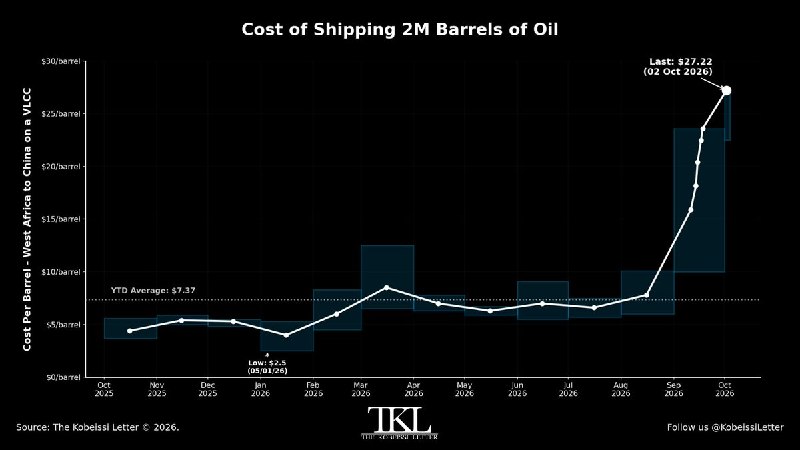
- Shipping and refining: Potential rerouting around the Cape of Good Hope raises freight costs and delivery times. Red Sea flows face increased risk premia.
- Macro: Higher oil prices raise inflation risk and could tighten financial conditions.
- Risk assets including crypto: Elevated energy prices and geopolitical risk typically reduce risk appetite, increasing volatility and downside pressure.
What to monitor
- Reopening timeline: Confirmation of repair progress and partial restarts.
- Alternative flows: Saudi export adjustments via Persian Gulf ports, spare capacity utilization, and inventories.
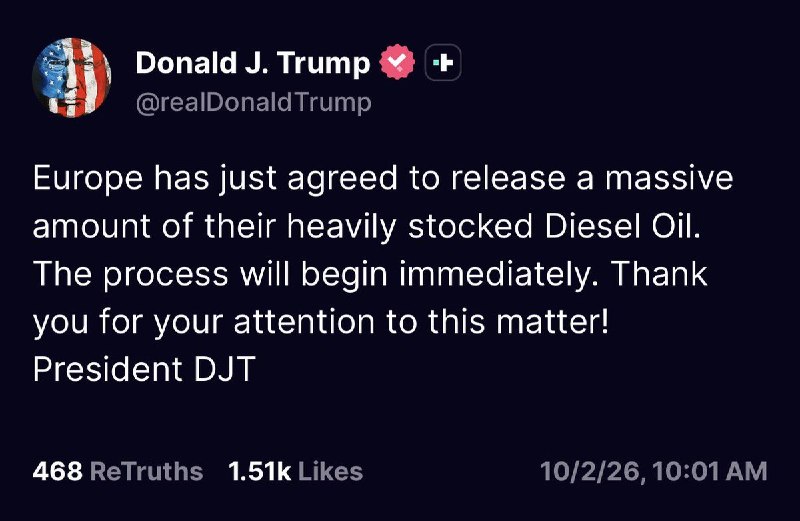
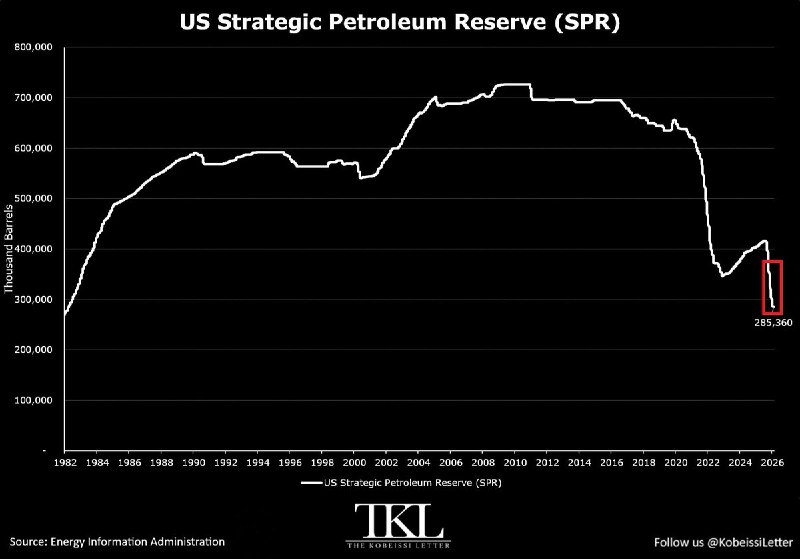
- Policy response: OPEC+ production decisions and potential strategic stock releases.
- Maritime security: Any escalation that impedes Bab el-Mandab or Suez transit.
- Market reaction at open: Brent and WTI spreads, time spreads, shipping rates, and energy equities as leading indicators of supply tightness.
Authors credited by the source: thekobeissiletter
Published by Holder based on an external source.