
Trump urges Congress to pass CLARITY Act as crypto prices surge
President Trump urged Congress to pass a “fair version” of the CLARITY Act at a White House event attended by SEC Chair Paul Atkins and CFTC Chair Mike Selig, according to Reuters. The bill would divide digital-asset oversight between the SEC and CFTC and define when a token is a security versus a commodity. It remains stalled in the Senate.
The legislative delay has created a jurisdictional gap that the SEC and CFTC are filling through their own rulemaking. These agency actions align with many industry priorities but lack the durability of statute and remain vulnerable to reversal by future administrations or courts.
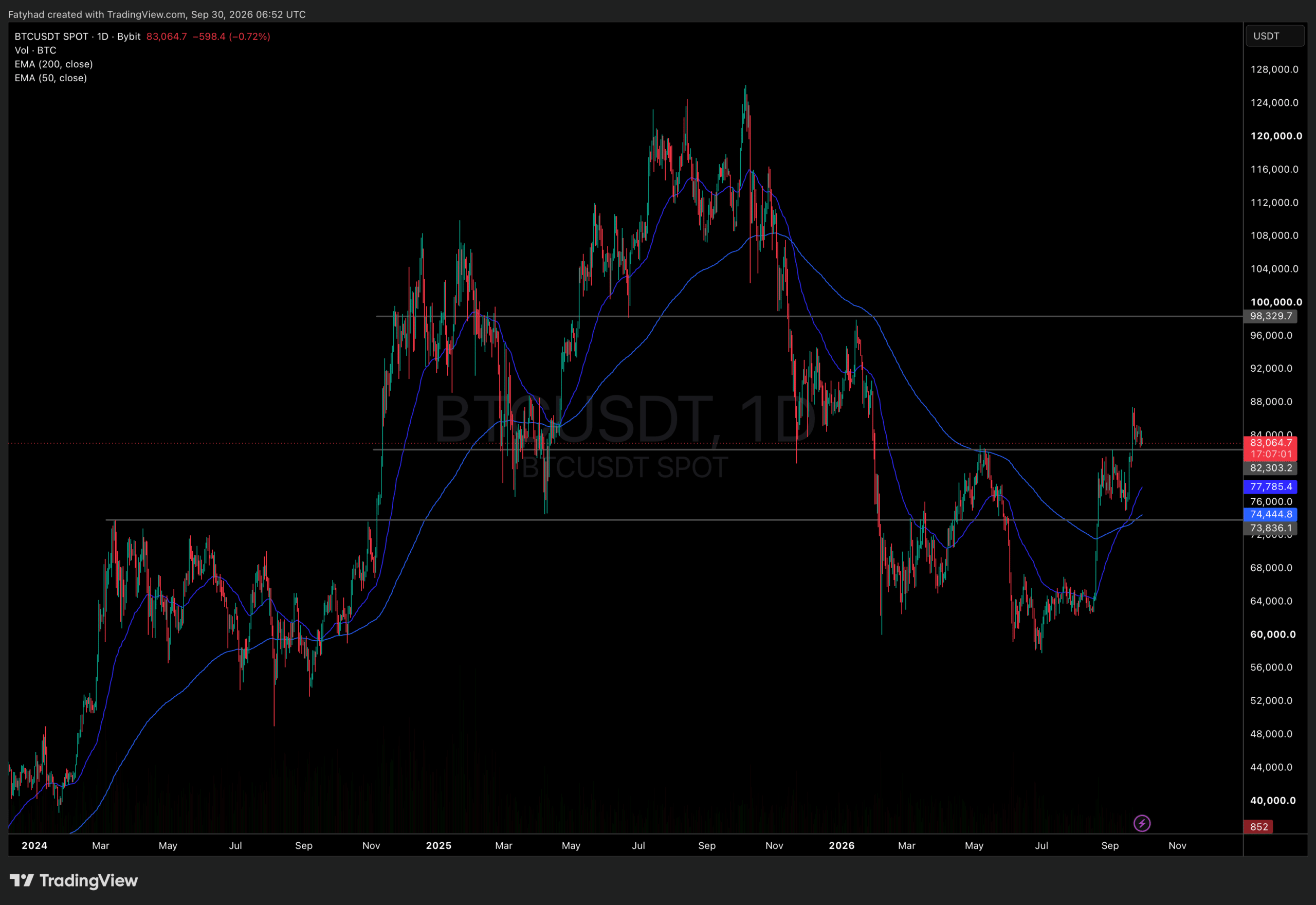
Market reaction: crypto rose sharply following the White House meeting with industry leaders. Bitcoin reached $71,800 and Ethereum gained 19% to $2,300.
Why the Senate Bottleneck Matters
The industry has invested substantial lobbying resources to secure clear legislation. With limited time left on the legislative calendar, the odds of passage diminish. Miller Whitehouse-Levine of the Solana Policy Institute said agencies appear ready to act because Congress has not.
How Agencies Are Filling the Gap
The SEC is preparing a rule to exempt certain token offerings from securities registration, expected to advance in the coming weeks. The CFTC is engaging on crypto regulation at an industry gathering this week. Outputs so far: the CFTC approved perpetual bitcoin futures earlier this year and may extend similar treatment to other assets. On the SEC side, Atkins has outlined plans to update capital-markets rules for crypto.
A CFTC spokesperson told Reuters the CLARITY Act is critical for competitiveness and urged Congress to set durable rules, adding that if Congress does not act, the CFTC will move to protect U.S. leadership in financial markets.
Reversal Risk and Industry Response
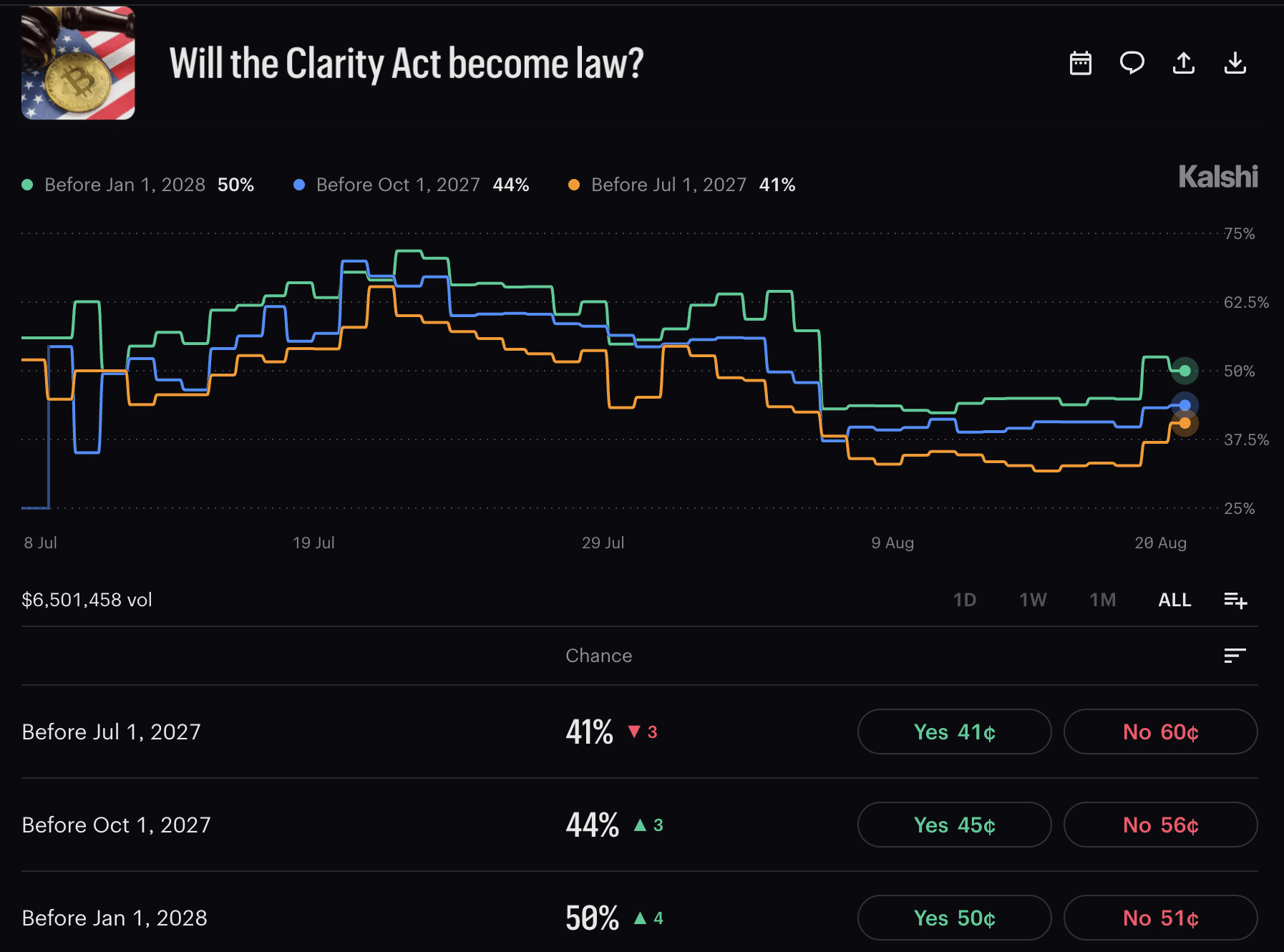
GSR’s Josh Riezman expects ambitious near-term rules from the SEC and CFTC that support the industry but warned of reversal risk under a future administration. Polling that suggests a potential House shift raises the possibility of increased scrutiny of rules developed under Atkins and Selig.
Blockchain Association CEO Summer Mersinger supported agency momentum but emphasized the need for permanent, statutory clarity. Traditional finance is contesting aspects of the new framework: CME Group sued the CFTC over perpetual futures approval, and the Securities Industry and Financial Markets Association has pressed the SEC on blockchain-based stock trading constraints.
Bottom line: agencies are moving to define crypto market structure absent legislation, supporting near-term market confidence. The lack of statutory backing introduces policy volatility, making the CLARITY Act’s fate pivotal for long-term regulatory certainty.