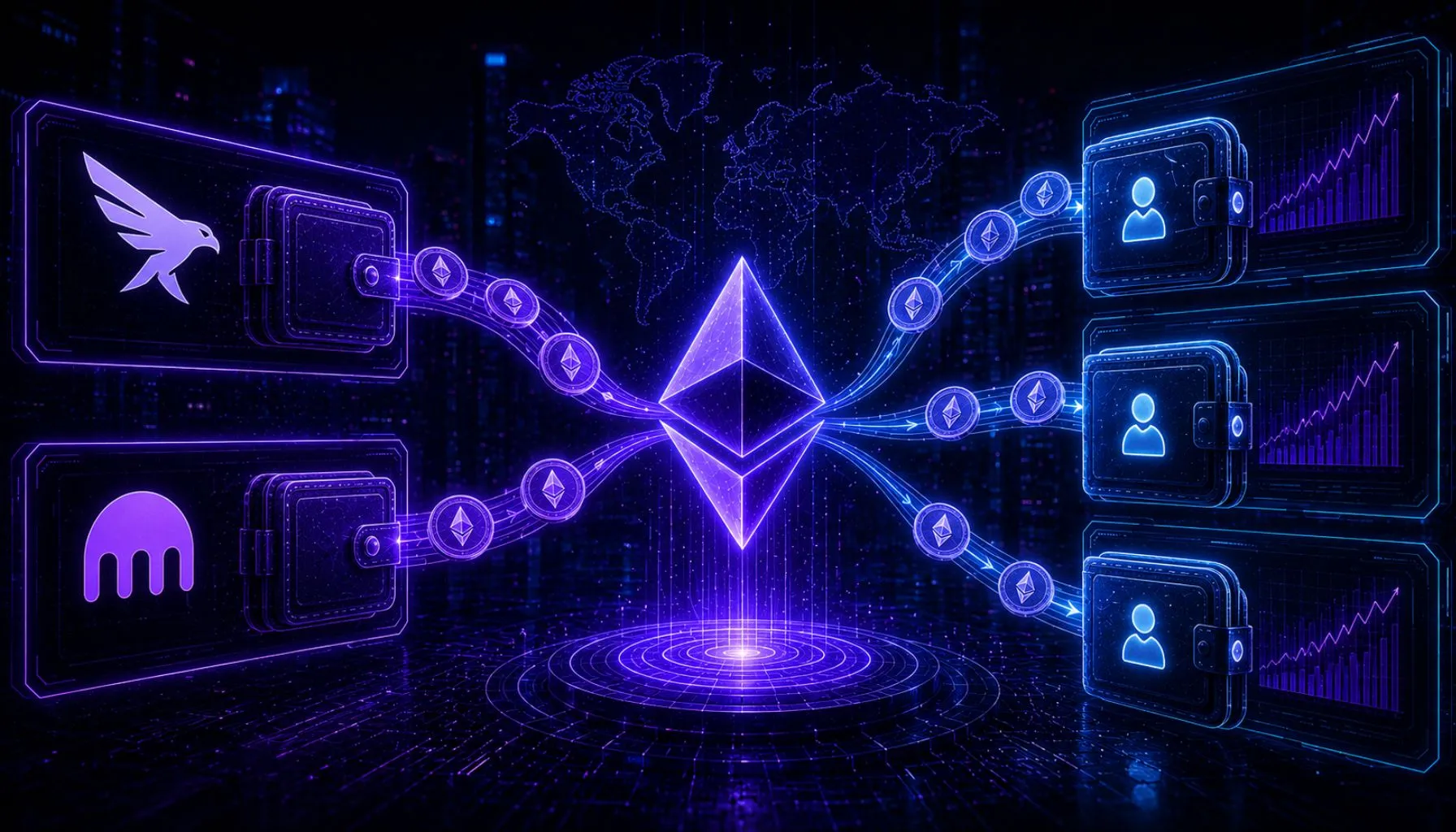

Upbit shifts to dollar stablecoins ahead of KRW rules
[Data/Comment] Upbit’s strategy to expand its stablecoin market, viewed through data
Author: Calvin
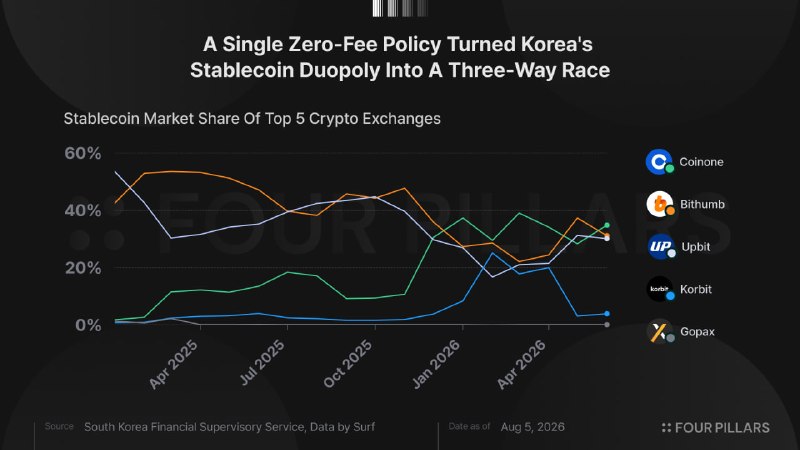
I believe Upbit fully anticipated that the trading volume boost from its zero-fee promotion would be very short-lived, and that listing a variety of stablecoins would not sufficiently dilute USDT’s dominance. (If not, that would be very unfortunate.)
Based on trading volume, Upbit gave up roughly 1 billion KRW in fee revenue over the past 15 days. Why is Upbit deploying resources in a relatively low-margin segment while forgoing fees? The clue lies in changes to Korea’s regulatory landscape.
First, the introduction of a KRW stablecoin is now within sight. In its 2026 Economic Growth Strategy, the Korean government officially announced it will push to enact a Basic Digital Assets Act in the second half. The bill is expected to include a licensing regime for issuing KRW stablecoins, reserve asset requirements, and redemption rights. In the U.S., the so‑called Genius Act is slated to take effect in earnest between late 2026 and early 2027, a timeline that points to the global spread of dollar stablecoins.
Second, there’s a change in Dunamu’s governance. In November 2025, Naver Financial resolved to make Dunamu a wholly owned subsidiary through a comprehensive share swap, and the two companies highlighted a payments ecosystem centered on stablecoins and digital wallets as the core synergy. From this perspective, Upbit’s stablecoin trading volume, liquidity, and user base are less a source of trading fees and more the distribution network for a future payments business, making it necessary to broaden them as much as possible.
Third—paradoxically—Dunamu could be limited in benefiting from KRW stablecoins due to the regulatory environment. The current Act on Reporting and Using Specified Financial Transaction Information and the Virtual Asset User Protection Act prohibit virtual asset service providers from listing assets issued by related parties. After Dunamu is folded into the Naver group, if a Naver-led consortium issues a KRW stablecoin, one interpretation is that listing that asset on Upbit could be restricted. With uncertainty around whether it can handle a future KRW stablecoin product, the only asset Upbit can secure with confidence right now is the role of distribution hub for dollar stablecoins.
🌎 Full comment (X / Website)
FP Website | Telegram (EN / KR) | X (EN / KR)