US military strikes Iranian targets near Strait of Hormuz, oil jumps
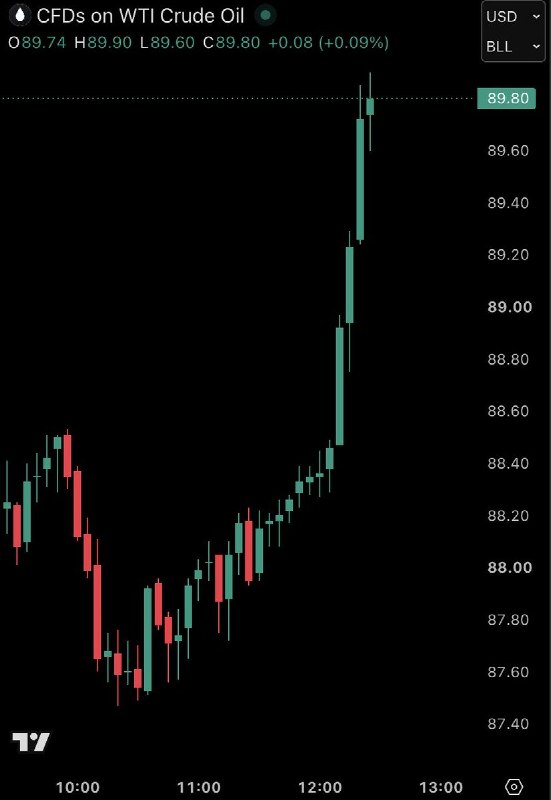
U.S. officials report that the U.S. military has begun striking Iranian targets near the Strait of Hormuz. Oil prices in the United States are rising toward 90 dollars per barrel, the highest level since July 24. The Strait of Hormuz handles a significant share of global oil shipments, so conflict in this area typically increases supply-risk premiums and market volatility.
Implications for markets:
- Energy: Higher crude prices increase inflation pressures and input costs.
- Equities: Energy producers may benefit; transport and energy-intensive sectors face margin pressure.
- Fixed income: Inflation expectations may rise, increasing yields on the front end.
- Forex and commodities: Safe-haven flows may strengthen the dollar and gold.
- Crypto: Risk-off conditions can reduce liquidity and increase volatility. Bitcoin sometimes correlates negatively with risk assets during acute shocks, though narratives can shift if inflation-hedge demand rises.
Key variables to watch:
- Scope and duration of strikes and any Iranian response in or near shipping lanes.
- Shipping disruptions through the Strait of Hormuz and insurance rates for tankers.
- Official releases from U.S. Central Command and energy agencies on supply impacts.
- Brent–WTI spread behavior and backwardation in crude futures.
- Changes in implied volatility across oil, equities, and crypto.