
11 0
Bitcoin Hyper Raises $27.8M in Presale, Offers High-Speed Layer 2 Solution
- The altcoin market is shifting focus towards projects with robust technology and clear utility, moving away from purely speculative assets.
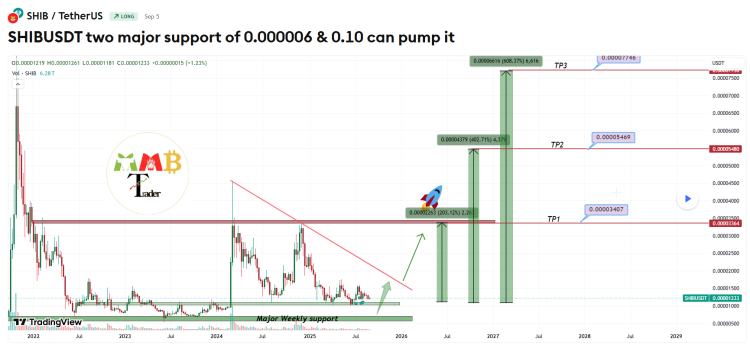
- Shiba Inu ($SHIB) could see a 300% price increase if it reaches two key support levels.
- Bitcoin Hyper introduces a Layer 2 solution using Solana Virtual Machine (SVM) for high-speed smart contracts on the Bitcoin network.
- $HYPER presale has raised over $27.8M, with the token priced at $0.013295; staking rewards are currently at 41%.
The altcoin market's evolving trend emphasizes sustainable technology and real-world applications, reshaping future investment strategies.
- Bitcoin experienced a crash below $90K due to large-scale sells and decreased investor participation.
- Bitcoin Hyper aims to enhance Bitcoin with fast transaction speeds and low-cost transactions via an SVM-based Layer 2.
Bitcoin Hyper seeks to improve Bitcoin's capabilities by providing programmability and performance for modern decentralized applications (dApps).
Bitcoin Hyper Enhancements
- Utilizes modular architecture for secure settlement and real-time transaction execution.
- Features a decentralized Canonical Bridge for seamless cross-minting of $BTC into its L2 environment.
- Supports the development of DeFi applications, NFT platforms, and gaming dApps using familiar tools like Rust.
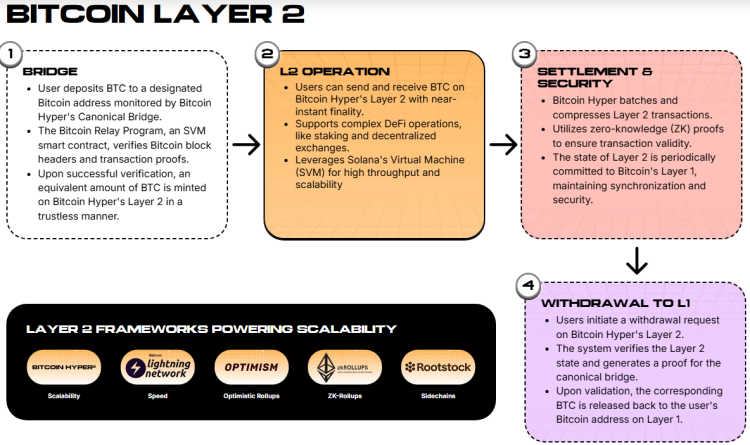
The ongoing interest in $HYPER reflects significant investor confidence in its potential to redefine blockchain dynamics, especially within the Bitcoin ecosystem.
New Ecosystem Opportunities
- Bitcoin Hyper expands use cases for swaps, lending platforms, and staking protocols leveraging Bitcoin's liquidity.
- Offers high-speed payments and comprehensive DeFi protocols with minimal fees.
The presale continues to attract early participants, underscoring the project's anticipated impact on the blockchain landscape.
Authors credited by the source: Aaron Walker
Published by Holder based on an external source.