
Coinbase says CLARITY Act cloture hinges on Democrat ethics concessions
Coinbase Global policy chief Faryar Shirzad outlined two plausible outcomes for the CLARITY Act ahead of the Senate’s September 15 procedural vote: the bill could fall short of the 60 votes needed for cloture, or a late bipartisan shift could push it over the threshold. He shared the assessment on September 6 during a conversation with industry advocate Scott Melker, framing the vote as a test of whether years of bipartisan groundwork for digital-asset regulation can convert into Senate votes.
Vote scenarios and timing
Outcome paths: a near-miss below 60 votes or a late bipartisan alignment that clears cloture. The vote’s result will determine whether the market-structure bill advances to floor debate or stalls, shifting the locus of action to regulators.
Vote math and whip count uncertainties
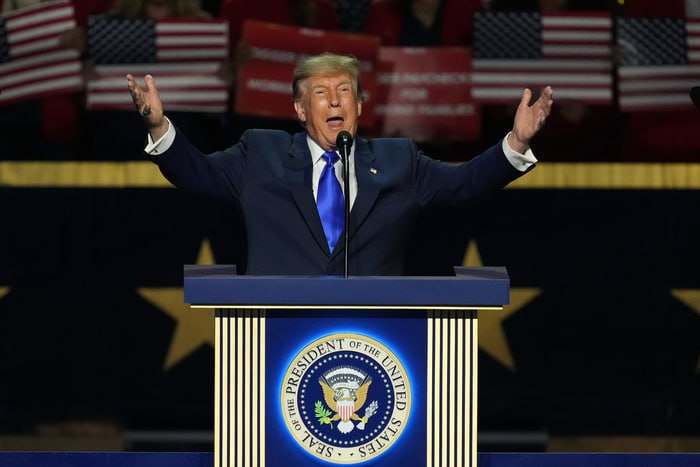
Coinbase is not assuming unanimous Republican support. Shirzad said any Republican defections raise the number of Democratic votes required to reach 60. He expects remaining disputes to be narrowed before the vote, but flagged ethics provisions tied to President Donald Trump’s crypto interests as the primary risk. Senate Democrats have criticized the current ethics language as insufficient. Republicans argue the bill includes meaningful safeguards.
Policy disputes still in play
- DeFi and exchange rules: outstanding issues that negotiators aim to resolve before the vote.
- Ethics language: the White House has accepted restrictions specific to the president. Democrats may seek further concessions before supplying votes needed for cloture.
- Stablecoin banking concerns: the American Bankers Association urged senators to address what it describes as a loophole on stablecoin interest and yield. Its account cited bipartisan concerns about potential impacts on local lending.
“Jailbreak” support dynamic

United States Capitol Pexel
Shirzad described a potential “jailbreak” scenario: initial yes votes from a handful of Democrats could provide political cover for additional bipartisan support once a coalition is visible. He said stablecoin-related bank concerns could complicate some Republican votes, though he expects the White House to push for a compromise. The outcome turns on whether negotiators can bridge differences over ethics provisions and remaining bill language.
If cloture fails: regulatory fallback
Shirzad said a failed cloture vote would not end efforts to regulate crypto. He expects federal agencies to pursue more than 100 rules to cover much of the ground Congress leaves unaddressed, aiming to replicate core elements of the bill’s framework through regulation. He projected continued integration of crypto into traditional finance via tokenization, stablecoins, perpetual futures, and 24/7 markets regardless of the vote’s outcome. He said Coinbase plans to build a broader platform across investing, lending, borrowing, and multiple asset classes either way.
Bottom line
The immediate legislative question is narrower than the broader support for digital-asset regulation. The vote hinges on a small number of Democratic votes and final ethics-language negotiations: success advances the bill to debate, while a shortfall pushes agencies to implement rules addressing much of what Congress leaves unfinished.