
Korea’s top exchanges send $367M net stablecoins offshore in June
South Korea’s five largest won-based exchanges — Upbit, Bithumb, Coinone, Korbit, and Gopax — sent 2.76 trillion won in stablecoins to overseas venues in June 2026 and received 2.20 trillion won back. Net outflow: 560.3 billion won, approximately $367 million, per Financial Supervisory Service data. Net stablecoin outflows have continued for 18 consecutive months since January 2025. The driver: domestic product restrictions that push users offshore, not market panic.
South Korea is losing stablecoins to overseas exchanges!
In June 2026, some 2.7625 trillion won worth of stablecoin was sent from South Korea's top 5 CEXs to overseas exchanges.
After inflows, this accounted for a net loss of some $367M worth of stables.
These outflows have… pic.twitter.com/ep8oJB8IuD
— BSCN (@BSCNews) August 3, 2026
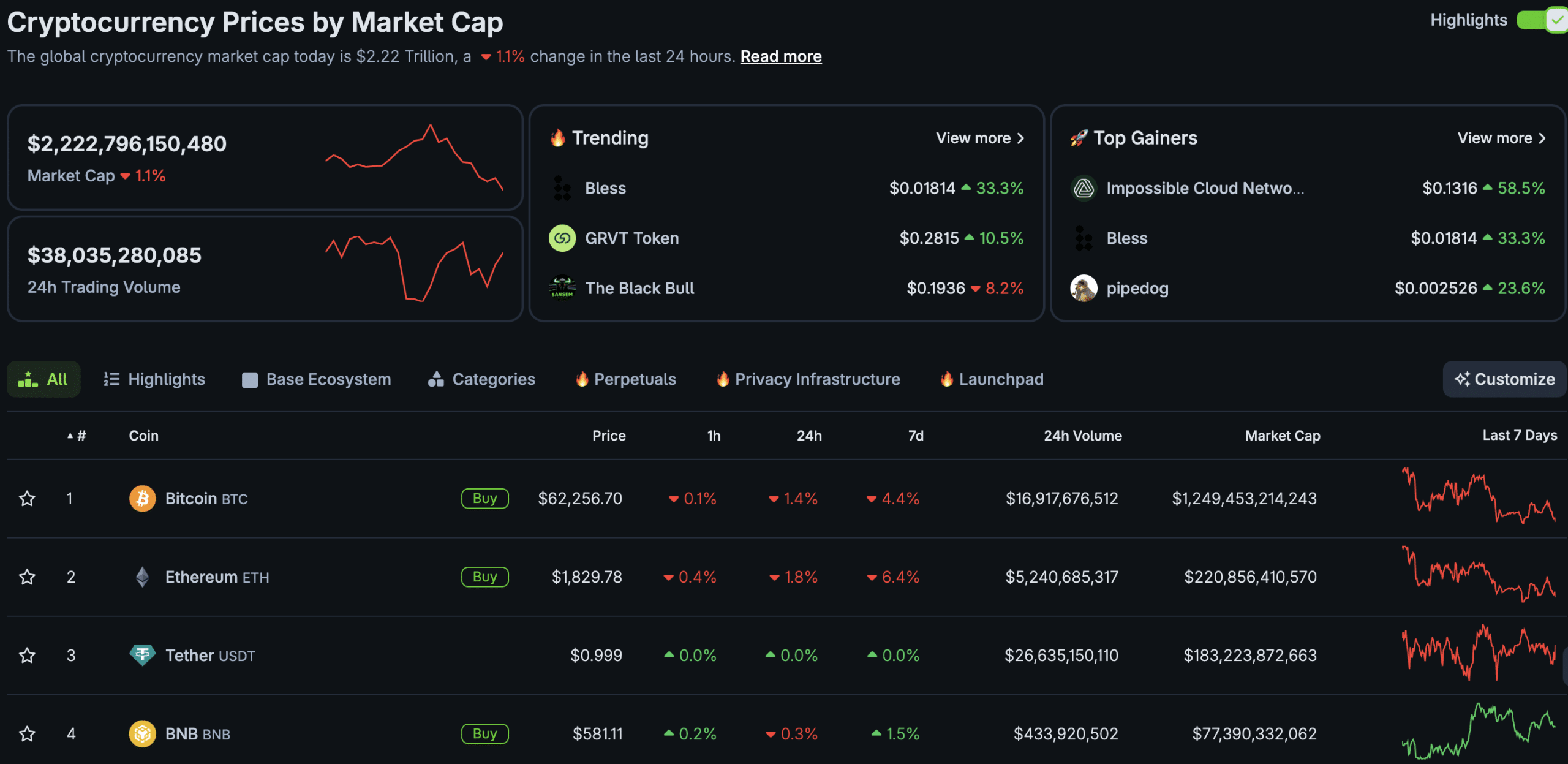
Market context: total crypto market cap at $2.22 trillion, down 1.1% over 24 hours. Daily trading volume: $16.9 billion.
Regulatory gap driving offshore routing
Domestic platforms operate under the Specific Financial Information Act, which enforces AML controls and restricts access to high‑leverage derivatives, DeFi pools, liquid staking, and most RWA protocols. FSS data indicates these categories are unavailable on Korean-licensed venues, sending users to offshore platforms such as Binance and Bybit that list crypto derivatives and contracts tied to major Korean equities.
Korea Times: in June, net stablecoin outflows equaled 77.6% of Korean investors’ net purchases of overseas stocks. Q2 2026 saw about 1.69 trillion won in net stablecoin outflows versus 1.62 trillion won in net foreign stock sales, showing stablecoins as a primary retail risk channel.
Domestic exchange shifts: Coinone’s stablecoin surge
🔊 South Korea's stablecoin outflows are surging.
↳ $10.4B net outflows in 18 straight months
↳ June outflows reached 77.6% of foreign stock purchases | vs 20% last yearOverseas exchanges offering high-leverage Korean stocks are pulling capital out.
Warning sign for local… pic.twitter.com/7aOSOhbFNg
— Crypto Aman (@cryptoamanclub) August 2, 2026
Coinone posted the highest average daily stablecoin volume in June at 84.58 billion won and 34.8% share after introducing zero‑fee USDC trading in October 2025. Bithumb: 75.57 billion won and 31.1%. Upbit: 73.03 billion won and 30.1%, per FSS data cited by Korea Times. In January 2025, Upbit held 53.5%, Bithumb 42.5%, Coinone 1.8%. The new split redistributed stablecoin activity onshore but did not stop aggregate outflows.
Upbit remains dominant in total crypto trading volume. CoinGecko data cited by Korea Times: Upbit 60% and Bithumb 32% of average daily volume in June. Stablecoins increasingly function as transfer rails rather than trading endpoints.
Policy discussions and expected trajectory
Legislators, including Rep. Lee per Korea Times, called for updates to investor-protection and supervisory frameworks. Concerns: retail exposure to ultra‑high‑leverage products on offshore venues and stablecoin flows outside traditional oversight. Topics under discussion: won‑pegged stablecoins, security token offering frameworks, and institutional custody. No legislative timeline disclosed.
Constraint: breadth of product offerings rather than capital controls. Sustained offshore routing is likely until Korean-licensed platforms can offer regulated access to derivatives, DeFi, staking, and RWA exposure. The June figures indicate an entrenched pattern independent of bitcoin’s short‑term moves.
The post appeared first on Coinspeaker.
Authors credited by the source: Daniel Francis
Published by Holder based on an external source.